Heads up: some links on this page earn us a commission at no extra cost to you. It does not change what we recommend or the order. How we are funded.
The short answer
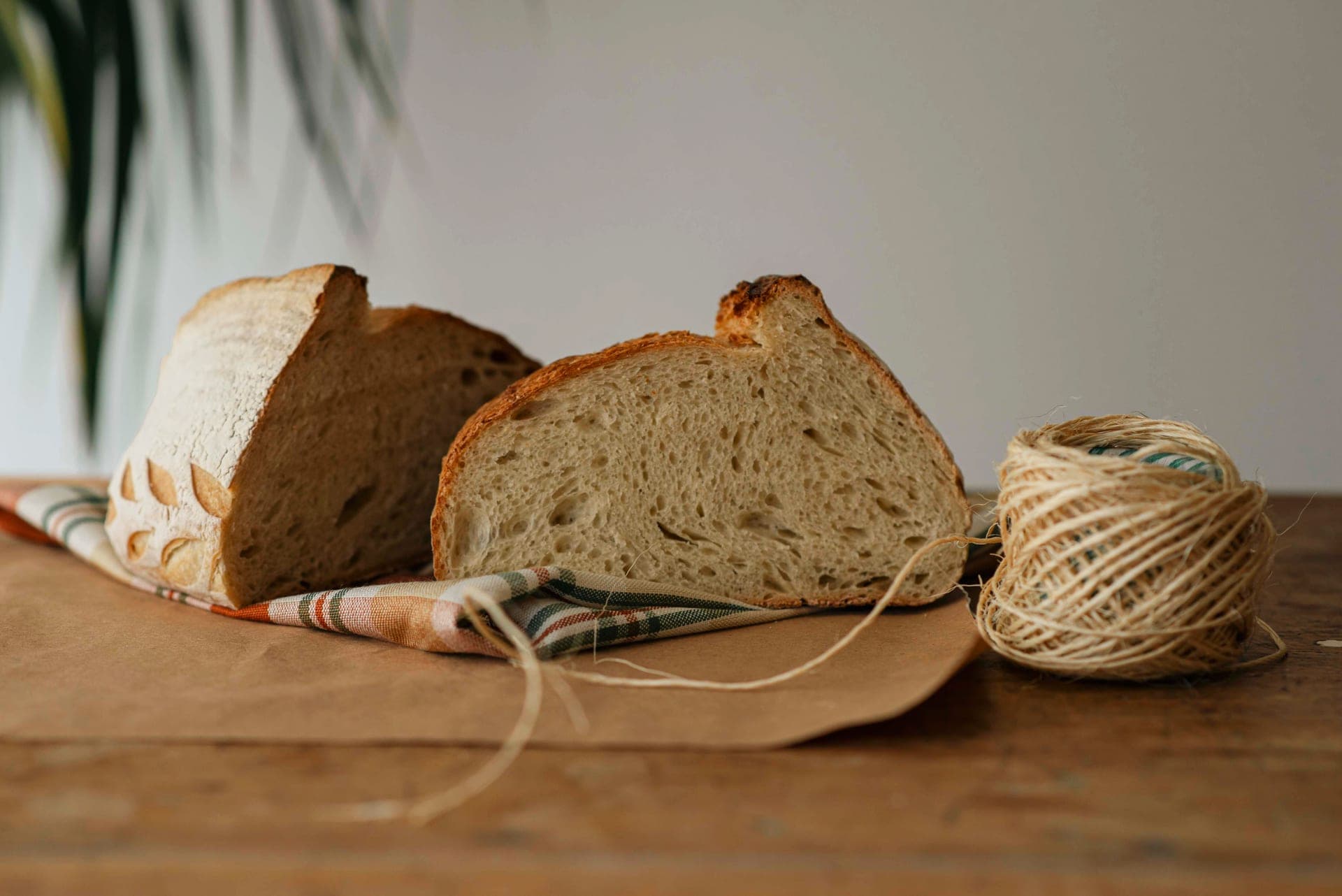
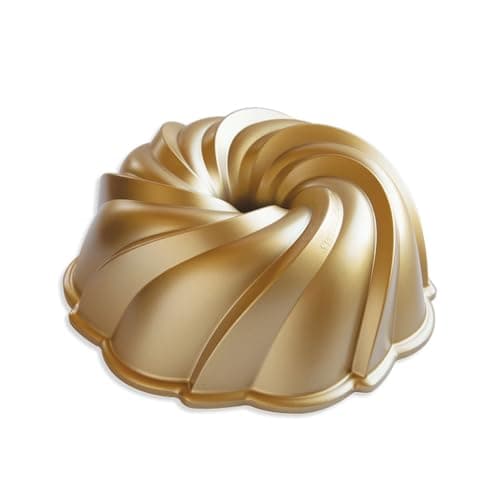
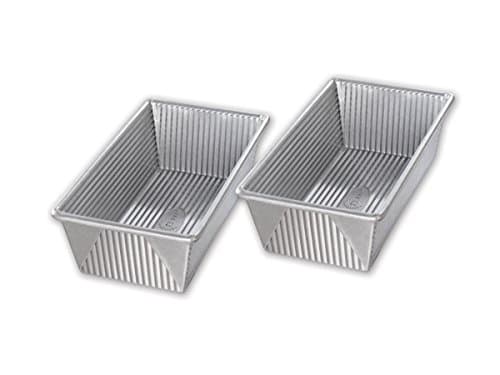
Bake it in a loaf pan. A loaf is the only common baked gift that survives being carried, handed over, left on a counter for a day and sliced by somebody else - and the one-pound USA Pan loaf pan is corrugated aluminized steel with a silicone-based nonstick coating, which releases a crumbed loaf without lining. The second-best answer is a bundt, because the shape is its own decoration and nothing needs to be iced; the Nordic Ware Anniversary pan is cast aluminum with a published 425F ceiling. What does not travel is anything iced, anything in a springform, anything that needs to stay warm, and anything baked in a dish you expect to see again. And the question nobody asks until the doorstep: if the food cannot leave the pan, the pan is part of the gift - buy a cheap one on purpose or bake in something you can give away.
The question that decides everything else
Baking for someone else is a different problem from baking for yourself, and the difference is not the recipe. It is this: the food has to leave your kitchen intact and arrive looking deliberate.
That one constraint rules out most of what a baker would otherwise make. It is why the traditional food gifts are what they are - loaves, bundts, cookies, bars, jars - and why nobody has ever given anybody a souffle.
Can it be carried? Meaning: can it survive a car, a bag, and being set down on an unknown surface. Height and icing are the two enemies.
Can it leave the pan? If it cannot, the pan goes with it, and that has to be a decision rather than a surprise.
Does it keep? A gift that has to be eaten today is a small imposition on the person receiving it.
Does it look like a gift without effort? Shape does this work far better than decoration, which is the entire argument for the bundt.
What travels, by shape
Shape
Travels?
Leaves the pan?
Keeps
Notes
Loaf
Yes - best in class
Yes, cleanly
Several days wrapped
The default. Slices into portions by itself, so the recipient decides how much to eat
Bundt
Yes, if not iced
Yes if the pan is well prepared
Two to three days
The shape is the decoration. Intricate patterns are where cakes stick
Cookies and bars
Yes
Not applicable
Up to a week in a tin
The safest gift of all, and the one you can make in quantity
Round layer cake
Poorly
Yes
Two days
Icing and travel do not mix. Fine to carry down a hallway, not across a city
Casserole or traybake
Yes, in its dish
No
Refrigerated, a few days
The dish goes with it. Plan for that or do not make it
Individual ramekins
Yes
No
A few days, refrigerated
Portion-controlled and easy to hand over. The dishes are the gift too
Anything in a springform
No
Yes, but fragile
Two days
Cheesecakes crack, springform bases leak, and the ring is not a travel container
Sorted by how well the thing survives leaving your kitchen, which is the constraint that separates baking for a gift from baking at home.
Why the loaf wins
It is not tradition. A loaf has four properties nothing else combines.
It is structurally sound. A dense rectangle with no overhang survives being held at an angle in a car. Almost nothing else does.
It portions itself. The recipient cuts what they want. A whole cake obliges them to start it.
It keeps. Wrapped, several days, with no refrigeration decision for anyone to make.
It leaves the pan. So you keep the pan, which matters more than people admit.
The pan to use is a straightforward one-pound tin. best cake and loaf pans compares the field properly; the short version is that corrugated aluminized steel with a silicone-based coating releases a crumbed loaf without lining, which is exactly what you want when you are making several.
A one-pound pan rather than a two-pound one, deliberately. A giftable loaf should look generous and be finishable. The two-pound loaf is a household's weekly bread, not a present.
When the pan is part of the gift
This is the part that catches people out, and it catches them out on the doorstep.
If you bake something that cannot leave its dish - a traybake, a gratin, anything set or custardy - then you are handing over your dish. There are only three honest ways through that, and all three need deciding before you turn the oven on.
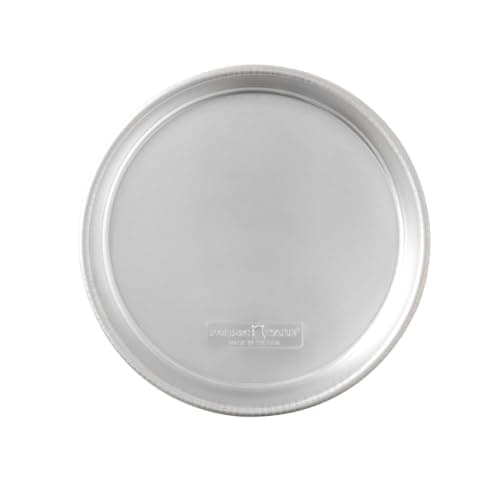
Bake it in a pan you are happy to lose. A bare aluminum cake pan costs very little and bakes better than most coated pans twice its price, which makes it the right thing to give away - dark versus light baking pans explains why bare aluminum is the upgrade and not the compromise.
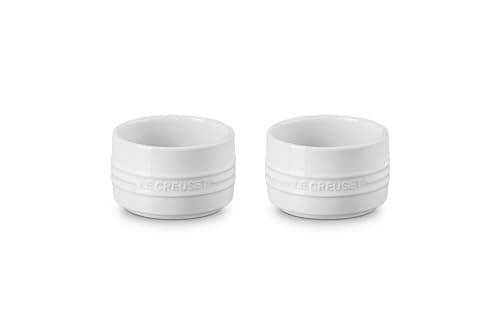
Use individual dishes. Ramekins given full are the neatest version of this: the portions are decided, there is nothing to slice, and two or four small dishes read as a considered gift. They are also the thing most likely to come back, because small dishes get washed and returned in a way a large one does not.
Accept you will not see it again. Which is fine, as long as it is a decision. It is not fine when the dish was a wedding present.
What does not work is lending a good dish with food in it and expecting it back. It is an obligation disguised as a present, and a surprising number of good casserole dishes live permanently in other people's kitchens because of it.
A loaf tin and a cheap round pan cover nearly all of this. The expensive bakeware stays home.
Four practicalities nobody writes down
Cool completely, then wrap. A warm loaf wrapped in anything steams itself into a damp crust. This is the single most common way a given cake arrives worse than it left.
Do not ice anything that is going in a car. Glaze, yes - it sets hard. Buttercream, no.
Say what is in it. Nuts especially, and anything the recipient needs to refrigerate. A note attached is part of the gift, not an afterthought.
Bake to the pan, not the recipe. If you are swapping shapes, the depth of batter changes and so does the time - baking pan size conversion has the arithmetic, and how to stop baked goods sticking matters more than usual here, because a cake that tears is a gift you have to apologize for.
What we cannot tell you
Whether your recipe will release from your pan. Sticking is a function of the recipe, the preparation and the pan's condition together, and no maker publishes a release figure for any of this - the nonstick lifespan silence that runs through this whole site applies to bakeware coatings unchanged.
We also have not baked in these. This site reads what makers publish, names the source and marks the gaps - our editorial policy.
Small, individual, handed over full:the Le Creuset stoneware ramekins, the only set in our audit whose maker publishes an oven maximum.
The pans this page points at, with live prices
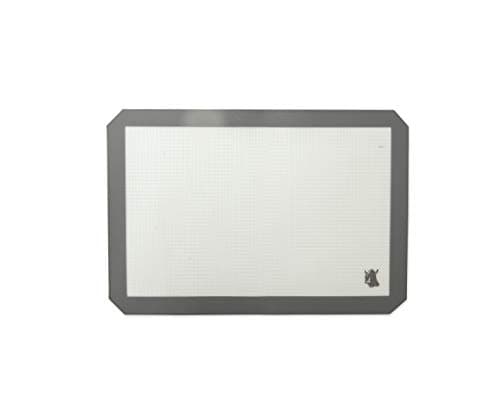
The silicone mat is here because if you are baking cookies in quantity to give away, it is the thing that makes the fourth tray as good as the first. Prices move constantly.
USA Pan Loaf Pan, 1 lb
Sandwich loaves, banana bread and meatloaf - anything that has to come out whole
Prices last checked October 19, 2026. Prices move constantly — the number on Amazon when you click is the real one.
What to buy, if you are buying
These are the products this page's reasoning actually points at. Same rules as everywhere else on the site: published specs, a stated trade-off, and a live price only where one exists.
Top pick · Best pan for a baked giftSpecs read September 3, 2026
USA Pan Loaf Pan, 1 lb
A one-pound loaf is the right size to give: enough to be a present, small enough that nobody feels obliged to finish it. Corrugated aluminized steel, published US-made, lifetime warranty. Skip it if you want to give the pan away too - this one is worth keeping.
Best for: Sandwich loaves, banana bread and meatloaf - anything that has to come out whole
#2 · Best shape that needs no decoratingSpecs read September 3, 2026
Nordic Ware Anniversary Bundt Pan, 10 cup
Ten-cup cast aluminum with a published 425F maximum. The pattern IS the presentation, which is the whole point when the cake has to look like a gift and you have no piping skills. Skip it if the recipe is delicate - intricate bundts are where cakes stick.
Best for: Anyone baking a cake that has to come out of a fluted mold in one piece
#3 · Best pan to give away with the foodSpecs read September 3, 2026
Nordic Ware Naturals Round Cake Pan, 9 in
Bare aluminum, 9 inches, the cheapest thing in this catalog and better than coated pans twice the price. Low enough in cost to hand over with the cake in it and never think about again. Skip it for anything acidic - bare aluminum is reactive.
Best for: Layer cakes, and anyone who has had a coated pan flake into a sponge
#4 · Best for small, individual giftsSpecs read October 11, 2026
Le Creuset Stoneware Round Straight Wall Ramekin, Set of 2
Stoneware published to 500F, the only ramekin in our audit whose maker publishes a maximum at all. Individual portions, given in the dish, are the most reliable way to give food to someone you do not know well. Skip it if you want the dishes back - at this price you will.
Best for: Anyone who wants a small oven dish they can put under a broiler without guessing
Safe per Le Creuset's stoneware guidance, with clearance published between the dish and the element - check your own broiler
Microwave, dishwasher, freezer, refrigerator
Safe (Le Creuset published, stoneware range)
Stovetop or direct heat
No - Le Creuset publishes that stoneware must not be used on a stovetop
Thermal shock
Le Creuset cautions against washing a hot piece too soon
Dimensions
Not published on the listing we link
Good
The only ramekin here with a maximum oven temperature attached to it, at a published 500F
Broiler guidance exists at all, which matters because browning sugar is what people buy ramekins for
Published safe for microwave, dishwasher, freezer and refrigerator, so it covers make-ahead and reheating
Not good
Its own listing gives two different capacities - 7 oz in the title, 6.75 oz in the URL
A set of two, when most recipes calling for ramekins serve four to six
By far the highest cost per cup in the category
No published dimensions on the listing, so you cannot check it against your air fryer or toaster oven
The trade-off. It is the most expensive route to a ramekin by a wide margin, and you get two rather than the six that most of the recipes wanting ramekins are written for.
Skip this if. You are making creme brulee for a dinner party. Two is the wrong number and buying three sets costs more than a good saucepan.
A loaf. It survives being carried, it portions itself so the recipient decides how much to eat, it keeps for several days wrapped, and it leaves the pan so you keep the pan. Cookies and bars in a tin are the close second because you can make them in quantity. Anything iced or in a springform travels badly.
›What pan should I bake a gift in?
A one-pound loaf pan for loaves, a bundt pan if the shape has to do the decorating, and a cheap bare aluminum round pan for anything you intend to hand over pan and all. The size matters: a one-pound loaf looks generous and is finishable, while a two-pound loaf is a household's weekly bread rather than a present.
›Should I give the pan away with the food?
Decide before you bake, not on the doorstep. If the food cannot leave its dish, the dish goes with it - so either bake in something inexpensive you are happy to lose, use individual ramekins which tend to come back, or accept the dish is gone. Lending a good dish with food in it is an obligation dressed as a present.
›How do I stop a cake being ruined on the way to someone's house?
Cool it completely before wrapping, because wrapping a warm cake steams the crust. Do not use buttercream on anything going in a car - a glaze sets hard and survives. Keep the height down; a tall layer cake is the most fragile thing you can attempt to transport.
›Is a bundt pan good for gifts?
Very. The shape is its own decoration, so nothing needs to be iced, which is also what makes it travel. The caveat is sticking: intricate bundt patterns are where cakes tear, and no maker publishes a release figure. Prepare the pan thoroughly and choose a simpler pattern if the recipe is delicate.
›What baked gifts keep the longest?
Cookies and bars in a sealed tin, up to about a week. A wrapped loaf keeps several days. Anything custardy or cream-filled needs refrigerating and should be given with a note saying so - telling the recipient what they have to do with it is part of the gift.
Sources
Every figure on this page came from one of these. Follow them and check our arithmetic — that is the point.