Bakeware, where the material choice is unusually simple
Aluminum conducts at 237 W/m-K and steel at about 45. That one gap decides almost every bakeware question.
Start here
Bakeware gets far less scrutiny than cookware and the decisions are easier, which is a good combination. There are really only three materials in play — bare aluminum, aluminized steel, and coated steel — and a single physical fact sorts them: aluminum conducts heat at 237 W/m-K, steel at about 45.
That gap is why an aluminum sheet pan browns cookies evenly and a dark coated steel one burns their bottoms. Start with sheet pan materials compared, or go straight to the best sheet pans.
In this section
Every page below carries its own reasoning and its own sources. Roundup tiles show the current top pick and a live price where one exists.
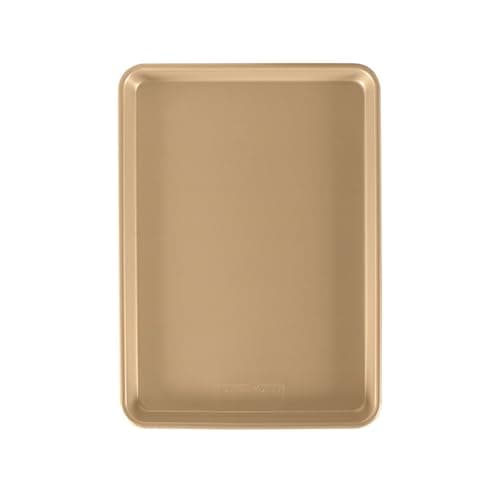
Top pick: Nordic Ware Naturals Half Sheet, 18 x 13 in
Top pick: Nordic Ware Naturals Half Sheet, 18 x 13 in
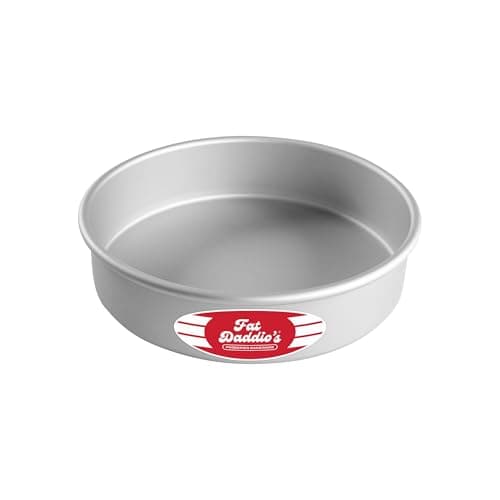
Top pick: Fat Daddio's Anodized Aluminum Round Cake Pan, 8 in

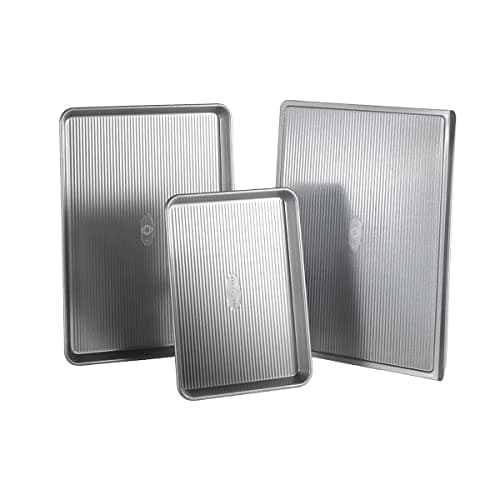
Top pick: USA Pan Aluminized Steel Bakeware
Top pick: Nordic Ware Naturals Half Sheet, 18 x 13 in
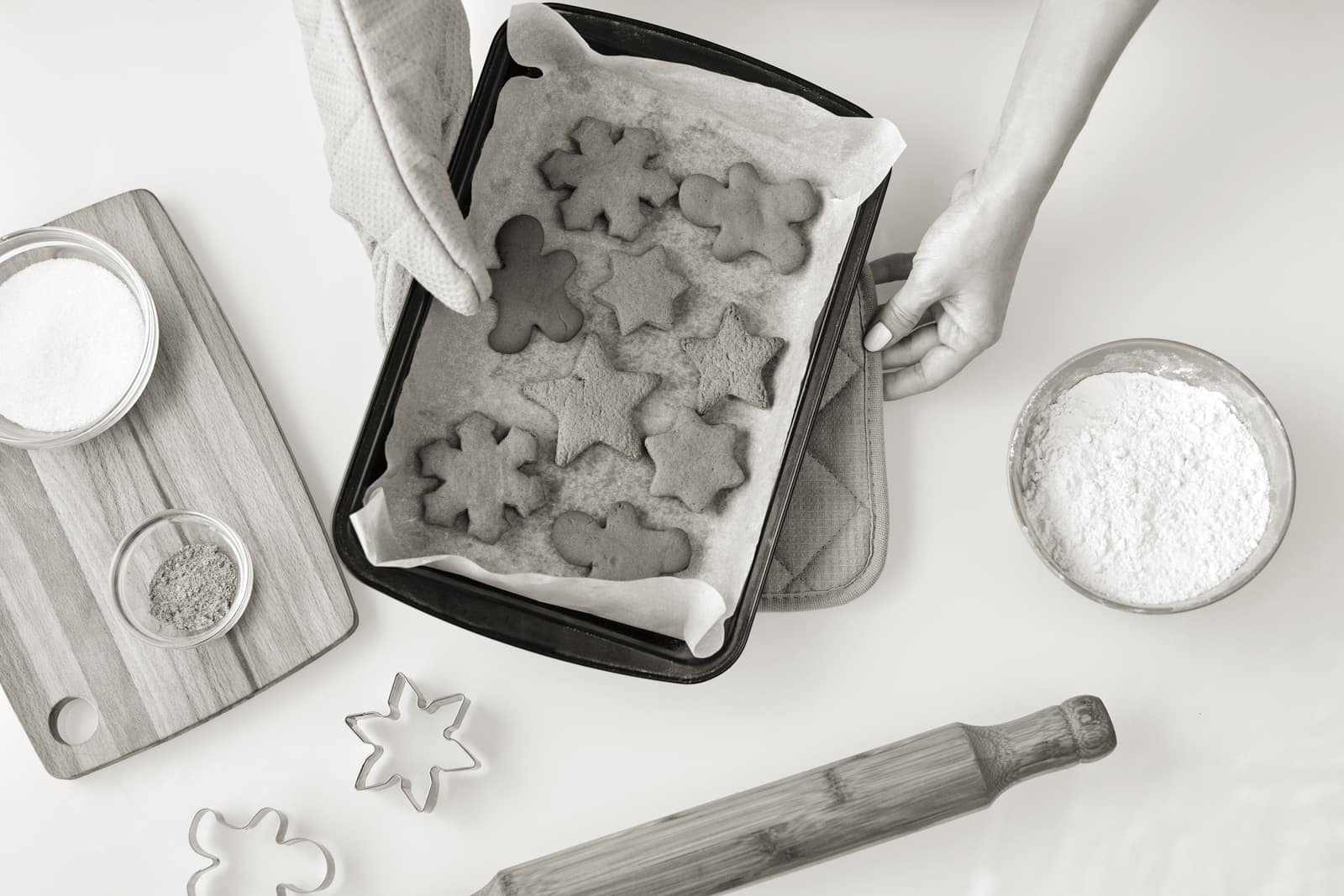
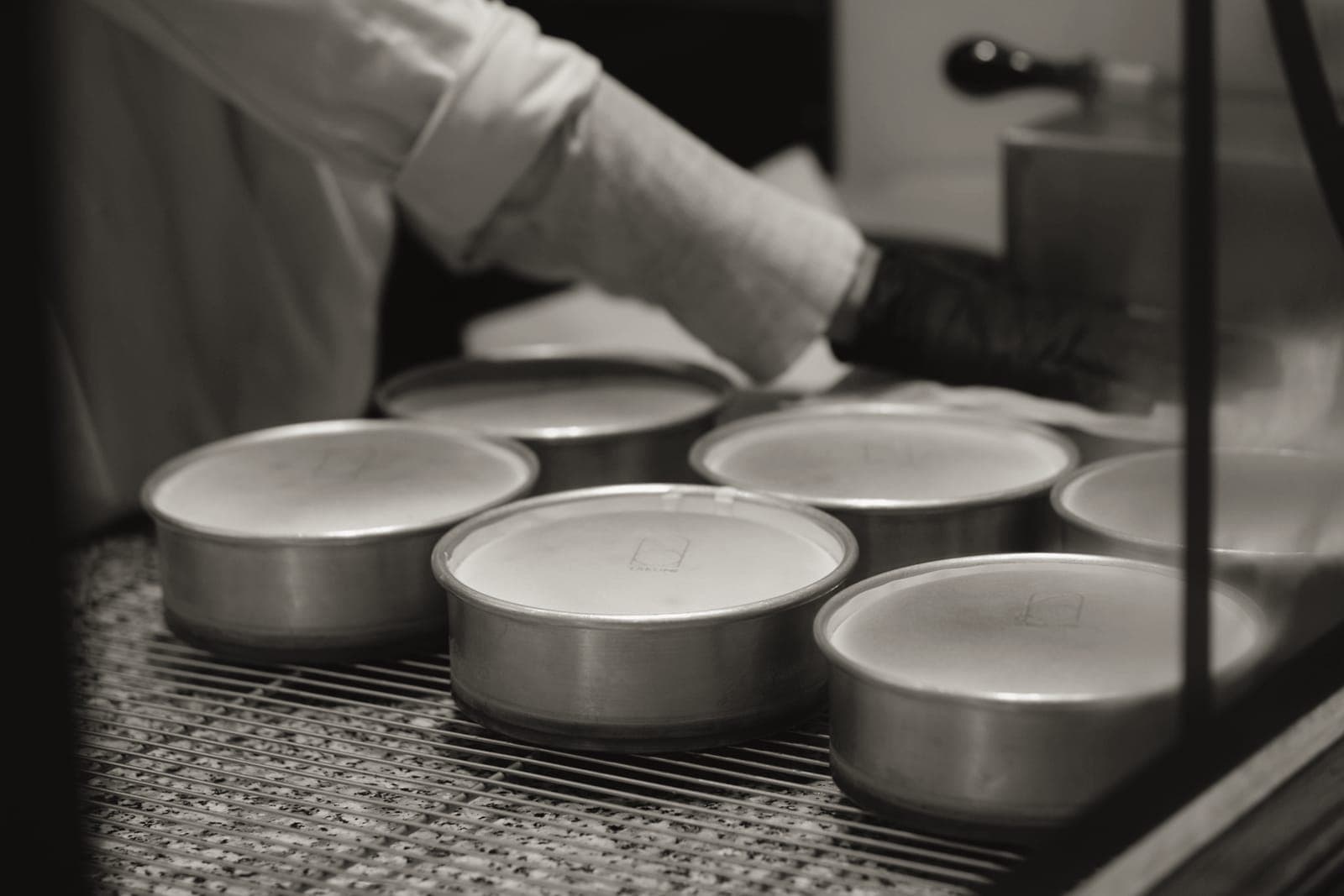
Top pick: Nordic Ware Naturals Half Sheet, 18 x 13 in
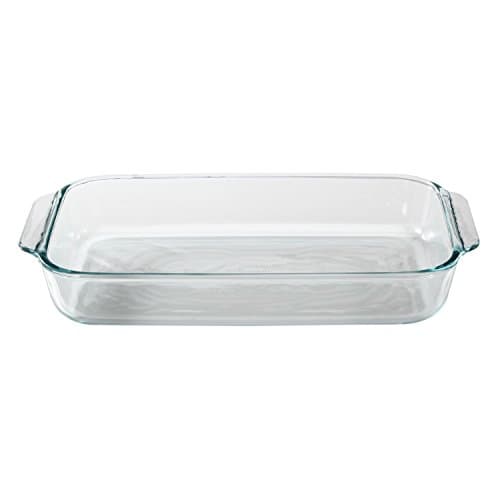
Top pick: Pyrex Basics Oblong Glass Baking Dish, 3 qt
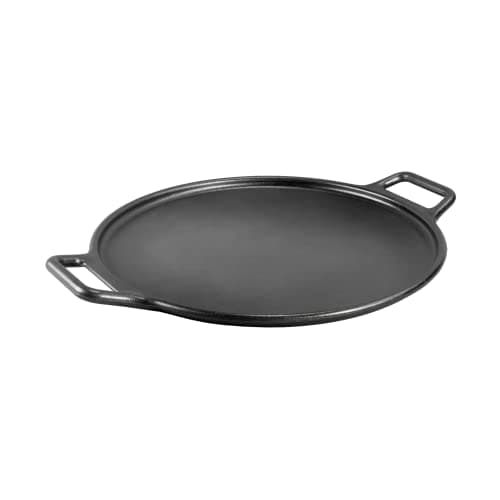
Top pick: Lodge Seasoned Cast Iron Pizza Pan, 15 in
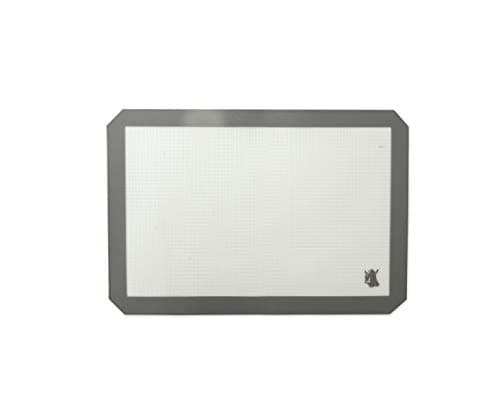
Top pick: Nordic Ware Silicone Baking Mat
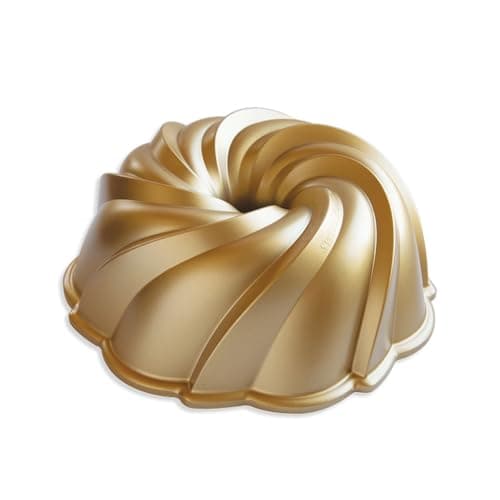
Top pick: Nordic Ware Anniversary Bundt Pan, 10 cup
Top pick: Nordic Ware Naturals Half Sheet, 18 x 13 in
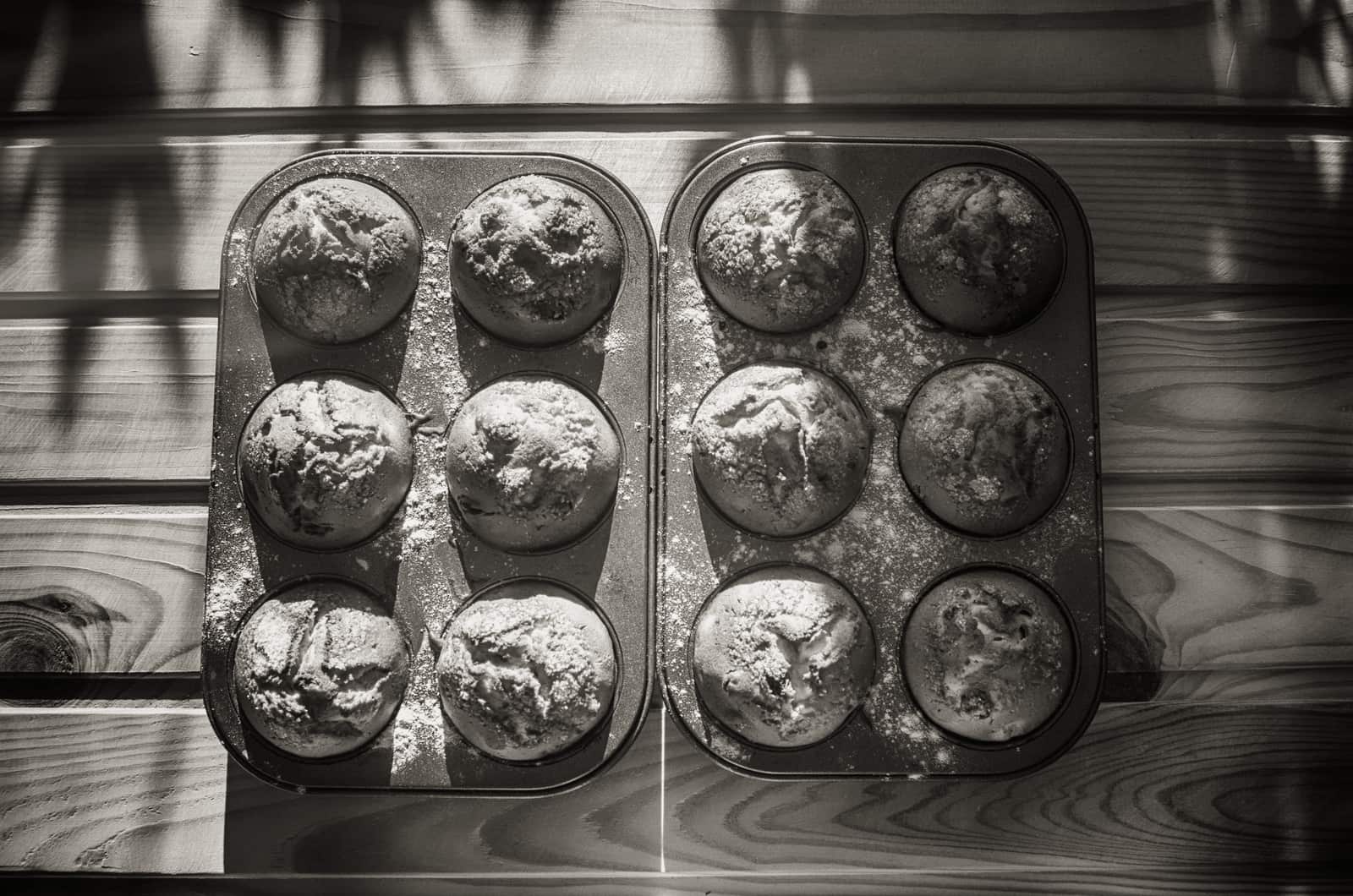

Top pick: Lodge Seasoned Cast Iron Pizza Pan, 15 in
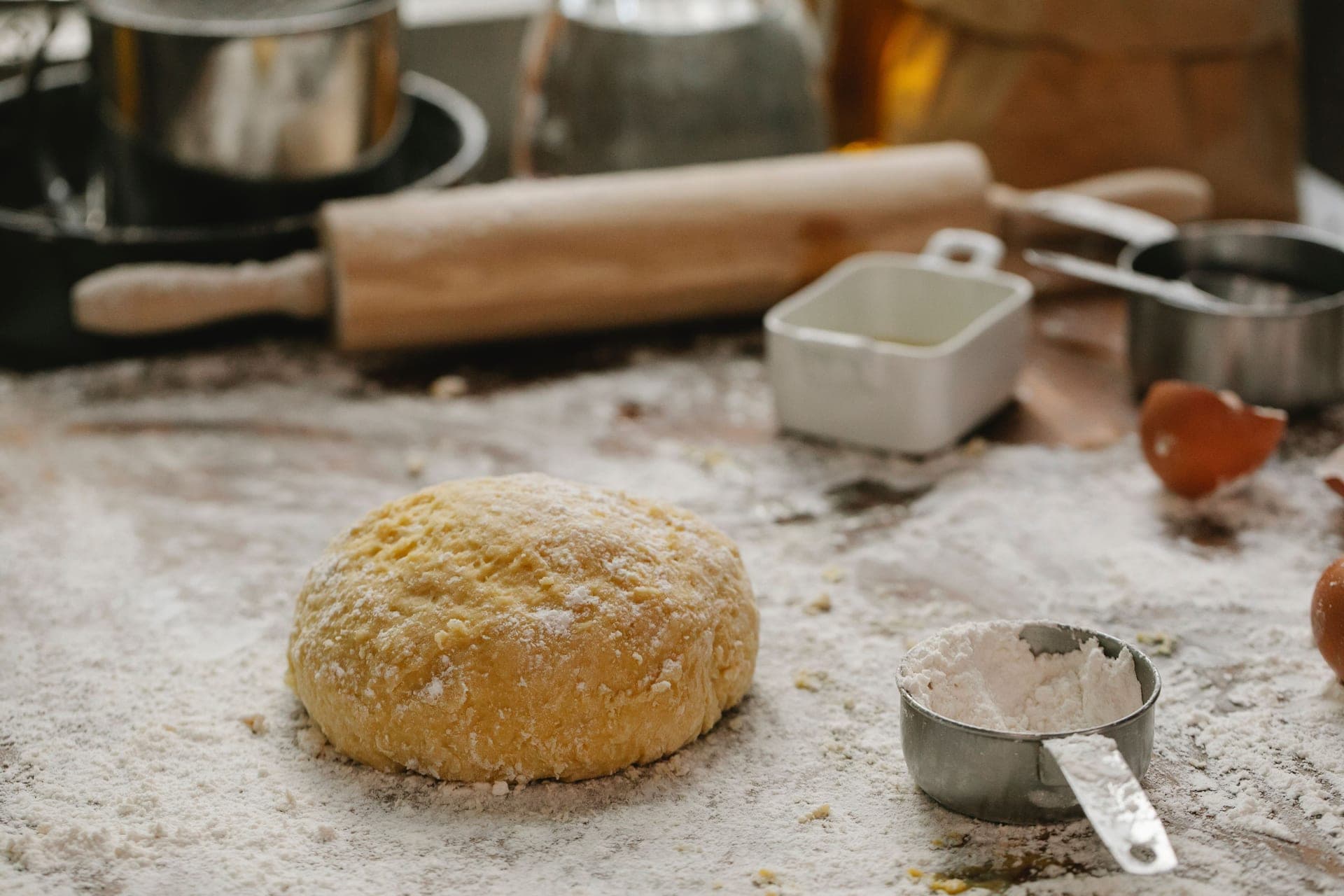
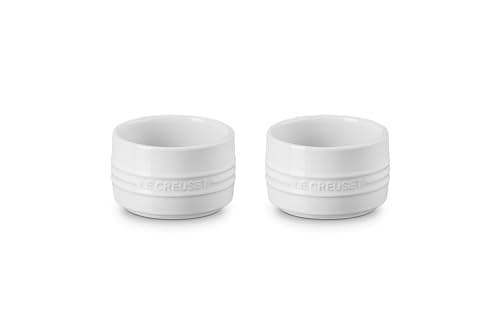
Top pick: Le Creuset Stoneware Round Straight Wall Ramekin, Set of 2
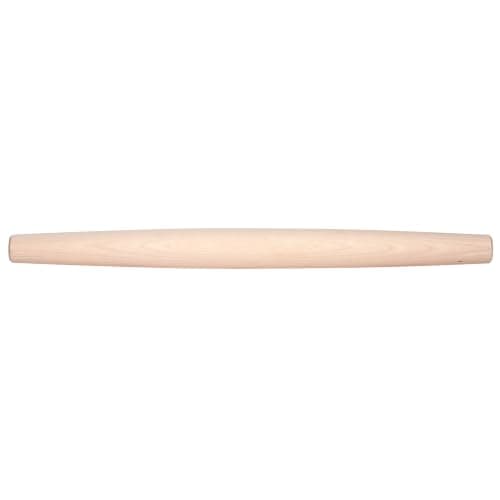
Top pick: J.K. Adams French Tapered Rolling Pin, 20.5 in
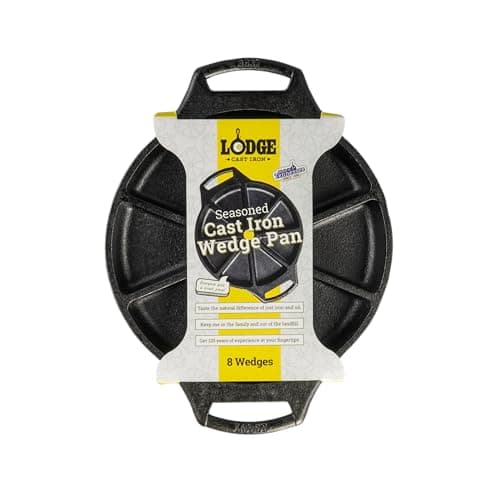
Top pick: Lodge Seasoned Cast Iron Wedge Pan, 8 Wells
The three materials, in order of how much you will use them
Bare aluminum. The professional default and the right answer for sheet pans. Nordic Ware's Naturals half sheet is 17.9 by 12.9 inches with an "encapsulated steel rim" — that rim is the reason it does not warp when a hot pan meets a cold oven door. Lifetime warranty, made in America. The trade-off is that bare aluminum discolors, reacts with acid, and Nordic Ware itself advises against the dishwasher.
Aluminized steel. Steel with an aluminum-silicon coating bonded to it — aluminum's conduction on a stiffer, more dimensionally stable base. This is what USA Pan uses, with its AMERICOAT silicone coating that the company publishes as free of PTFE, PFOA and BPA. Lifetime warranty, made in Pennsylvania, and explicitly not dishwasher safe.
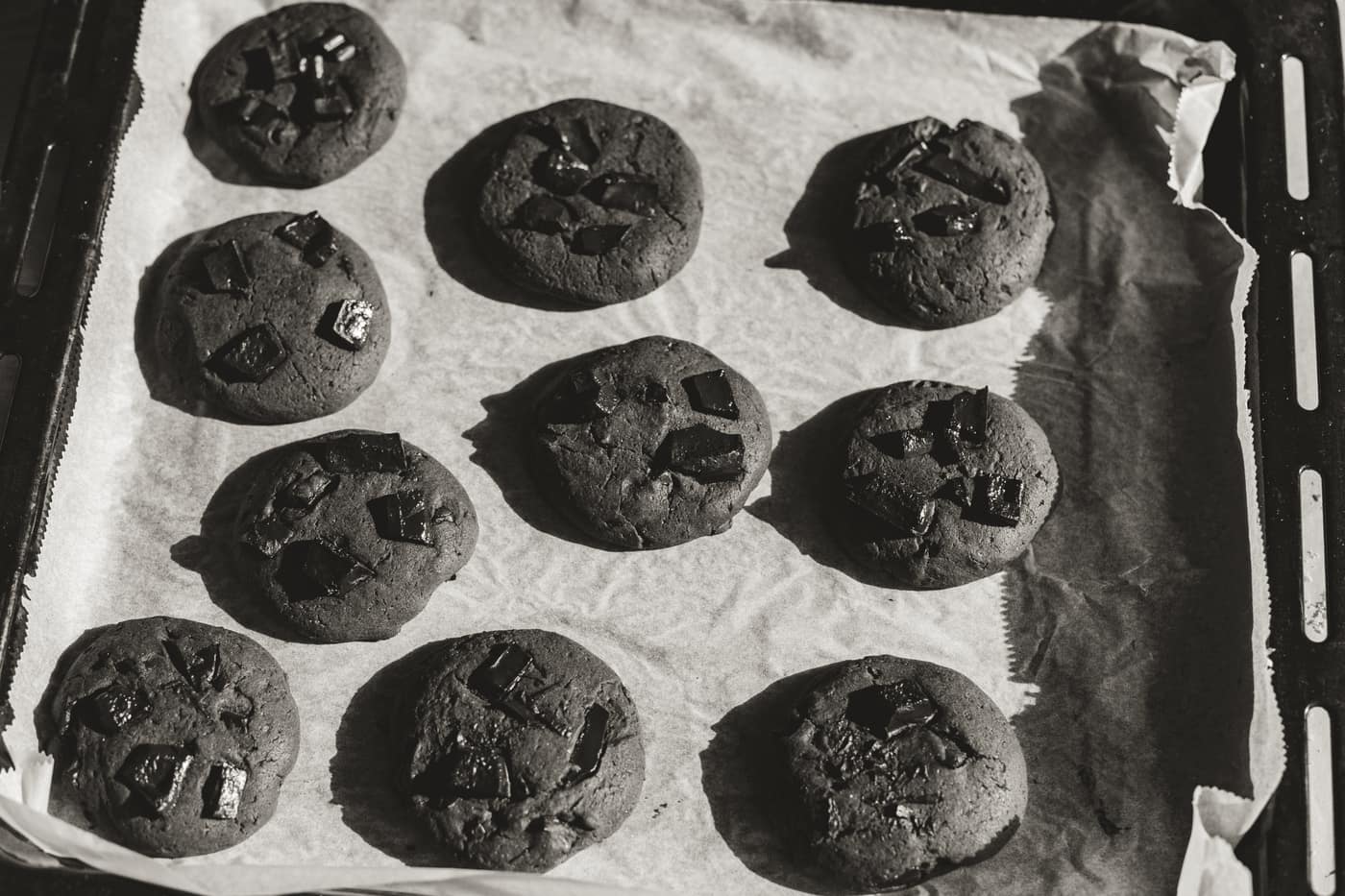
Dark coated steel. The cheap supermarket default. Dark surfaces absorb radiant heat, steel conducts poorly, and the combination burns the underside of anything sugary before the top is done. If you own these and your cookies keep burning on the bottom, it is the pan, not you.
| Material | Conduction | Browning | Warps? | Dishwasher |
|---|---|---|---|---|
| Bare aluminum | 237 W/m-K | Even, gentle | Not with a steel rim | Not advised (Nordic Ware) |
| Aluminized steel | Aluminum surface, steel core | Even, slightly faster | Rarely | Not advised (USA Pan) |
| Dark coated steel | ~45 W/m-K plus dark absorption | Fast, uneven, burns bottoms | Frequently | Varies, still shortens coating life |
| Glass and ceramic | Very low | Slow, holds heat after | No | Usually yes |
The four pieces a home kitchen actually uses
Two half sheet pans, a loaf pan, and a square or rectangular baking dish. That is it for most people. Two sheets rather than one because the moment you bake anything in quantity you need to rotate, and because sheet pans are the most useful non-baking item in the kitchen — roasting vegetables, resting fried food, catching drips under a pie.
Everything past that is genuinely optional and depends on what you bake. A muffin pan if you make muffins. A round cake tin if you make cakes. A cooling rack that fits inside the half sheet, which is the single most useful ten dollars in the category. Full list in what bakeware you actually need.
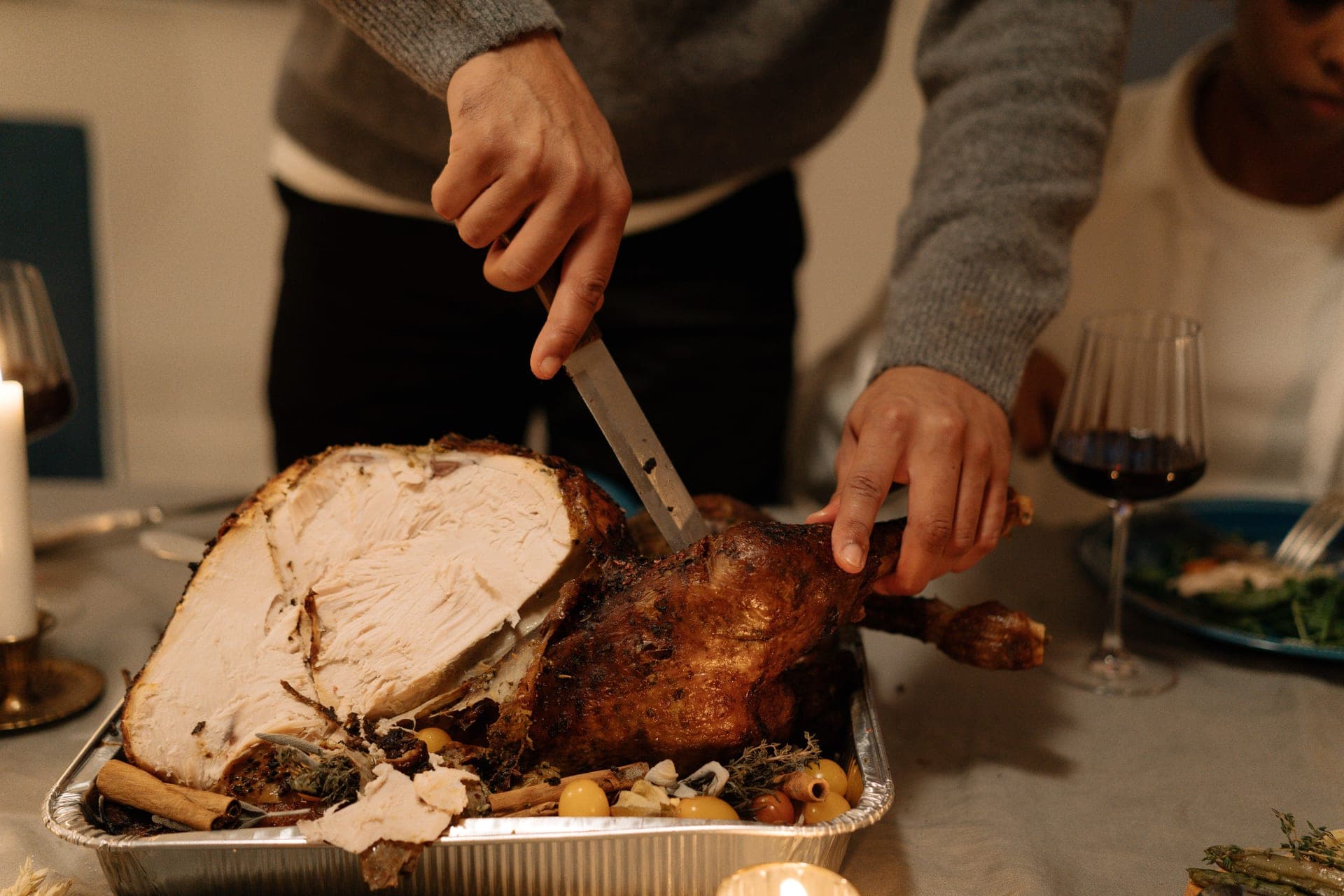
Two companion pages sit alongside that list. What size roasting pan you need is the sizing arithmetic for a bird or a joint, and why a half sheet beats a deep pan for almost all of it. And gifts for bakers sorts this hub by the shape a baker is most likely to be missing.
One category deserves a warning rather than a recommendation. Ramekins are the cheapest oven vessels you can buy and the least documented: of the three sets we audited, only one has a maximum oven temperature published by its maker at all.
On bakeware sets
Bakeware sets are worse value than cookware sets, for a specific reason: the pieces are cheap individually, so bundling saves you little, and sets pad the count with pieces almost nobody uses. A ten-piece bakeware set typically contains three things you will use weekly and seven that will live in a cupboard.
Buy the two sheet pans first, use them for a month, and add pieces when you find yourself wanting one. That sequence costs less and produces a cupboard of things you actually reach for. If you do want a set, the comparison is in the best bakeware sets.
Care, which is shorter than for cookware
- Parchment, not spray. Cooking spray builds a polymerized varnish on bakeware that is genuinely difficult to remove and ruins release.
- Hand wash. Nordic Ware and USA Pan both advise against the dishwasher, for different reasons — discoloration on bare aluminum, coating life on aluminized steel.
- Do not scrub coated pans. The coating is the pan; take it off and you have a worse pan.
- Let sheet pans stain. Discoloration on bare aluminum is cosmetic and does not change how it bakes.
Common questions
›What is the best material for a sheet pan?
Bare aluminum with an encapsulated steel rim. Aluminum conducts at 237 W/m-K against steel's 45, so it browns evenly, and the steel rim is what stops it warping when a hot pan hits cold air.
›Why do my cookies burn on the bottom?
Almost always a dark coated steel pan. Dark surfaces absorb radiant heat and steel spreads it badly, so the underside cooks far faster than the top. Switching to a bare aluminum sheet fixes it without changing the recipe.
›Is aluminized steel the same as aluminum?
No. Aluminized steel is a steel sheet with an aluminum-silicon layer bonded to it, so you get aluminum's surface conduction on a stiffer steel base. USA Pan builds its bakeware this way.
›Can bakeware go in the dishwasher?
Both Nordic Ware and USA Pan advise against it in their own care instructions. On bare aluminum the detergent causes discoloration; on coated pans it shortens the life of the coating.
Sources
Every figure on this page came from one of these. Follow them and check our arithmetic — that is the point.