Nonstick and ceramic, and what the coating actually is
Every coating is a consumable. Nobody selling one will tell you how long it lasts, and that absence is the most useful fact in the category.
Start here
This is the most confused category in cookware, and the confusion is profitable. "PFAS-free", "PFOA-free", "non-toxic", "ceramic", "titanium-reinforced" — most of these terms are doing marketing work rather than describing a material, and a couple of them are technically true in a way designed to mislead.
So this section starts from the documents. What the FDA actually authorizes, what GreenPan actually publishes about its own coating, and what nobody publishes at all. Read is nonstick cookware safe and is ceramic cookware safe for the full versions.
In this section
Every page below carries its own reasoning and its own sources. Roundup tiles show the current top pick and a live price where one exists.
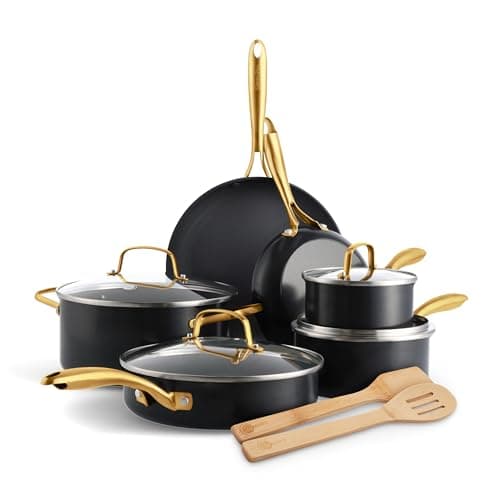
Top pick: GreenPan Ceramic Nonstick Cookware Set
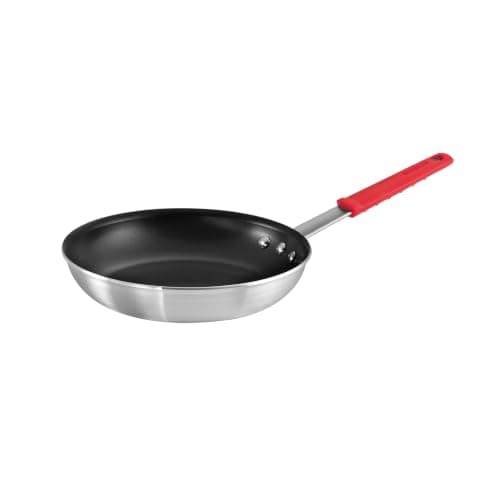
Top pick: Tramontina Professional Restaurant Fry Pan, 10 in
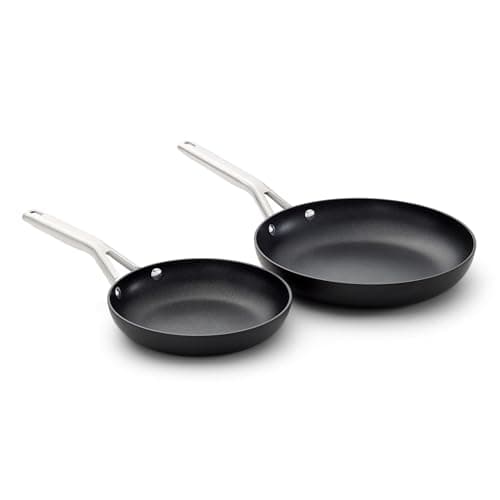
Top pick: Calphalon Premier Hard-Anodized Nonstick Fry Pan, 10 in
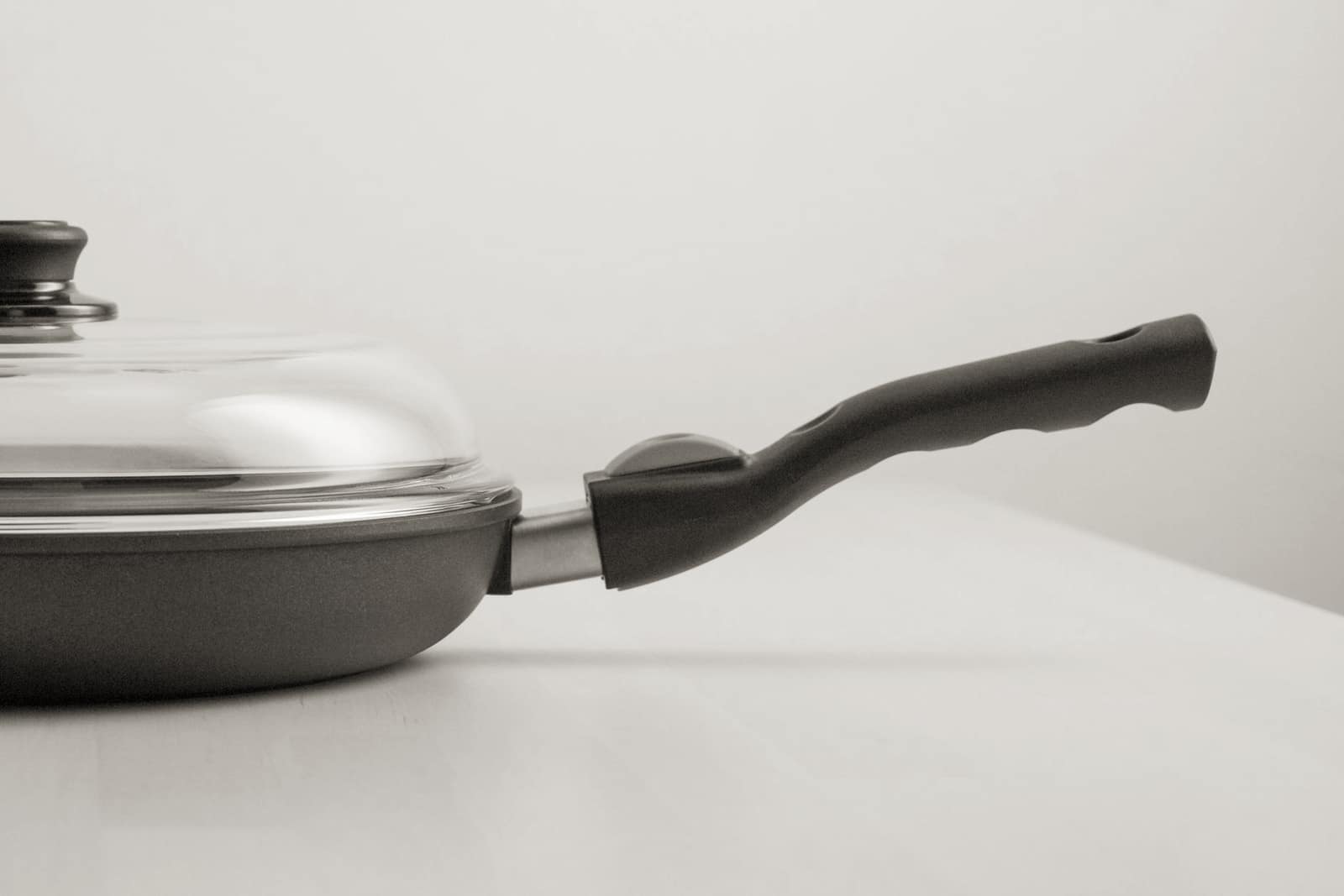
Top pick: Tramontina Professional Restaurant Fry Pan, 10 in

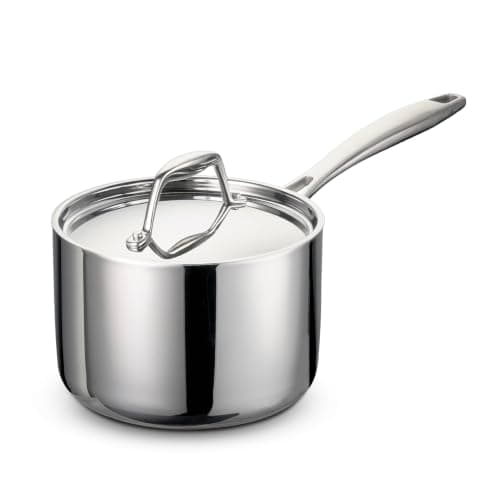
Top pick: Tramontina Tri-Ply Clad Covered Saucepan, 2 qt
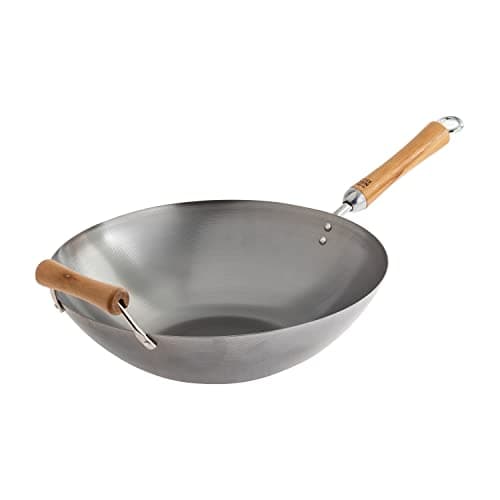
Top pick: Joyce Chen Classic Series Carbon Steel Wok, 14 in

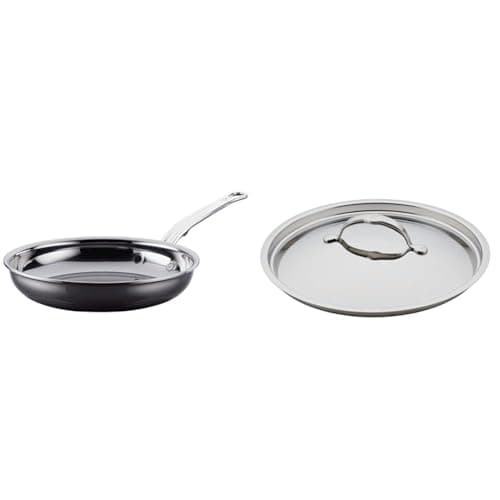
Top pick: Hestan NanoBond Titanium Skillet, 11 in
There are two coatings, and they are not alike
PTFE — polytetrafluoroethylene, the material sold under the Teflon brand and many others — is a fluoropolymer. It is genuinely the best release surface anyone has made, it is authorized for food contact under 21 CFR 177.1550, and the FDA states that "studies show negligible amounts of PFAS in this coating can migrate to food." It is also a PFAS, which is why it appears in headlines about a chemical class that mostly concerns drinking water and paper packaging.
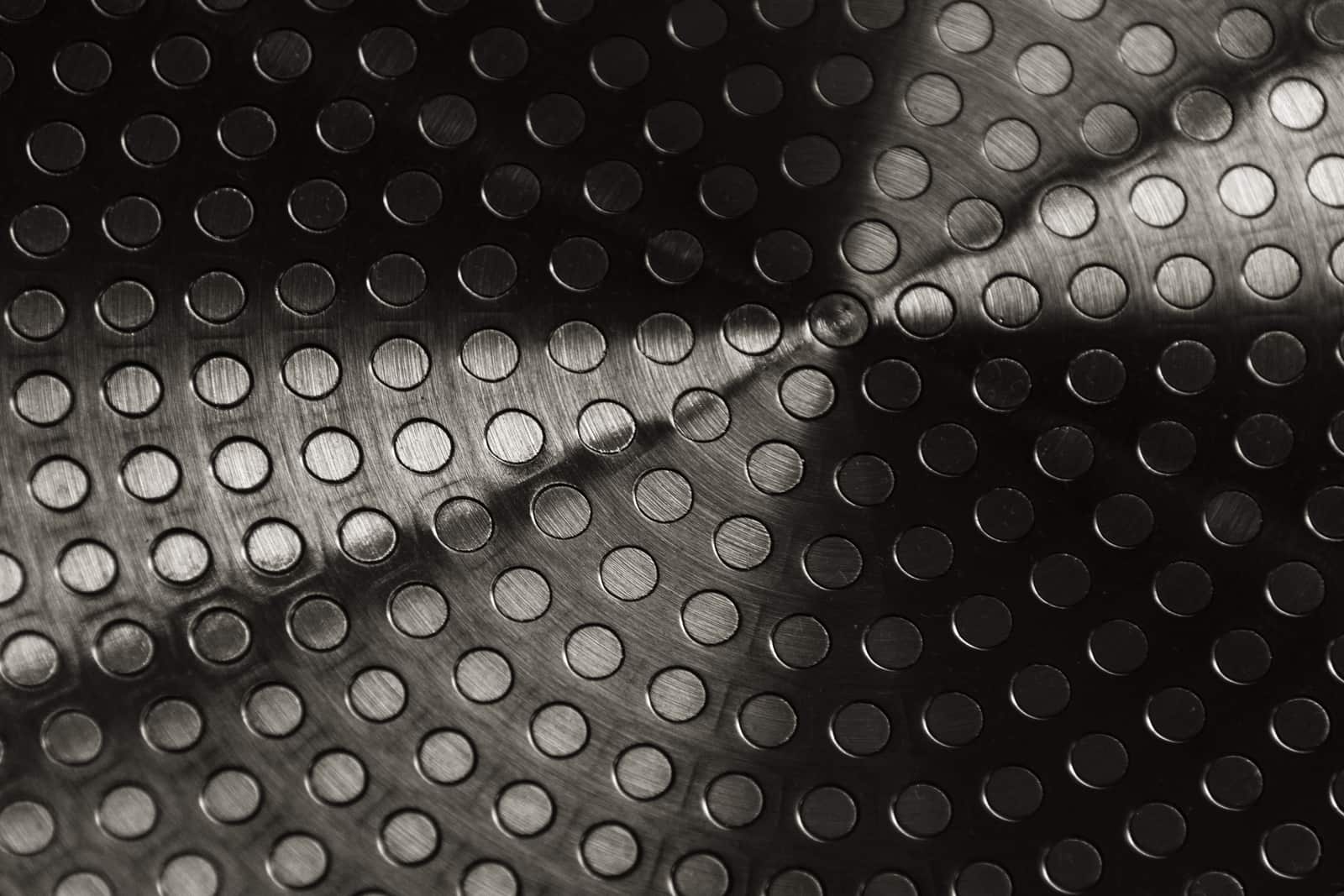
Ceramic is not ceramic in the pottery sense. GreenPan publishes that its Thermolon coating is "crafted from sand-derived raw materials, Silicon Dioxide (SiO2), and turned into a sprayable solution." It is a sol-gel silica coating sprayed and cured onto metal. It releases well when new, contains no PFAS, and degrades faster than PTFE.
| PTFE | Ceramic (sol-gel silica) | |
|---|---|---|
| What it is | A fluoropolymer film | A sprayed and cured silica coating |
| Is it a PFAS | Yes, PTFE is a fluoropolymer PFAS | No |
| Release when new | Excellent | Excellent |
| Release at 2 years | Usually still workable | Usually noticeably reduced |
| High heat | Degrades and can off-gas well above normal cooking temperatures | GreenPan publishes 850F for the coating itself |
| Published lifespan | None, from any maker | None, from any maker |
What the PFAS story actually says
The EPA describes PFAS as "widely used, long lasting chemicals, components of which break down very slowly over time", and notes there are thousands of them. That is a real and serious environmental issue. It is also a category that spans everything from firefighting foam to the film on a frying pan, and the risks are not the same across it.
Here is the distinction most cookware marketing blurs. In January 2025 the FDA announced that 35 food contact notifications for PFAS grease-proofers on paper and paperboard packaging were "no longer effective based on the abandonment of these uses". That action was about paper packaging — takeout containers, wrappers — where the FDA said there was "potential for PFAS to migrate to food at levels that may result in a potential safety concern." It was not about cookware coatings, which remain authorized.
You will see that regulatory action cited on ceramic cookware listings as if it were about pans. It was not. That does not make PTFE the right choice for you — it makes the argument for ceramic weaker than the marketing implies, and the honest reasons to choose ceramic are different ones.
The number nobody publishes
Search every nonstick maker's site for how long the coating lasts. You will not find it. GreenPan publishes what Thermolon is made from, what it does not contain, and that it withstands 850F. It does not publish a lifespan, and neither does any PTFE maker.
That absence is not an oversight. A coating's life depends on heat, utensils, dishwasher use and luck, and no manufacturer wants a number on the record that a customer can hold them to. The practical consequence: treat every coated pan as a consumable with a life measured in a small number of years, and buy accordingly. Buying an expensive coated set is buying a wear item at a keepsake price.
That is also why the recommendation on this site is consistent: one coated pan, bought cheaply and replaced without regret, alongside a clad stainless or cast iron pan that lasts. See the best ceramic cookware and the best nonstick pans.
How to make a coating last as long as it can
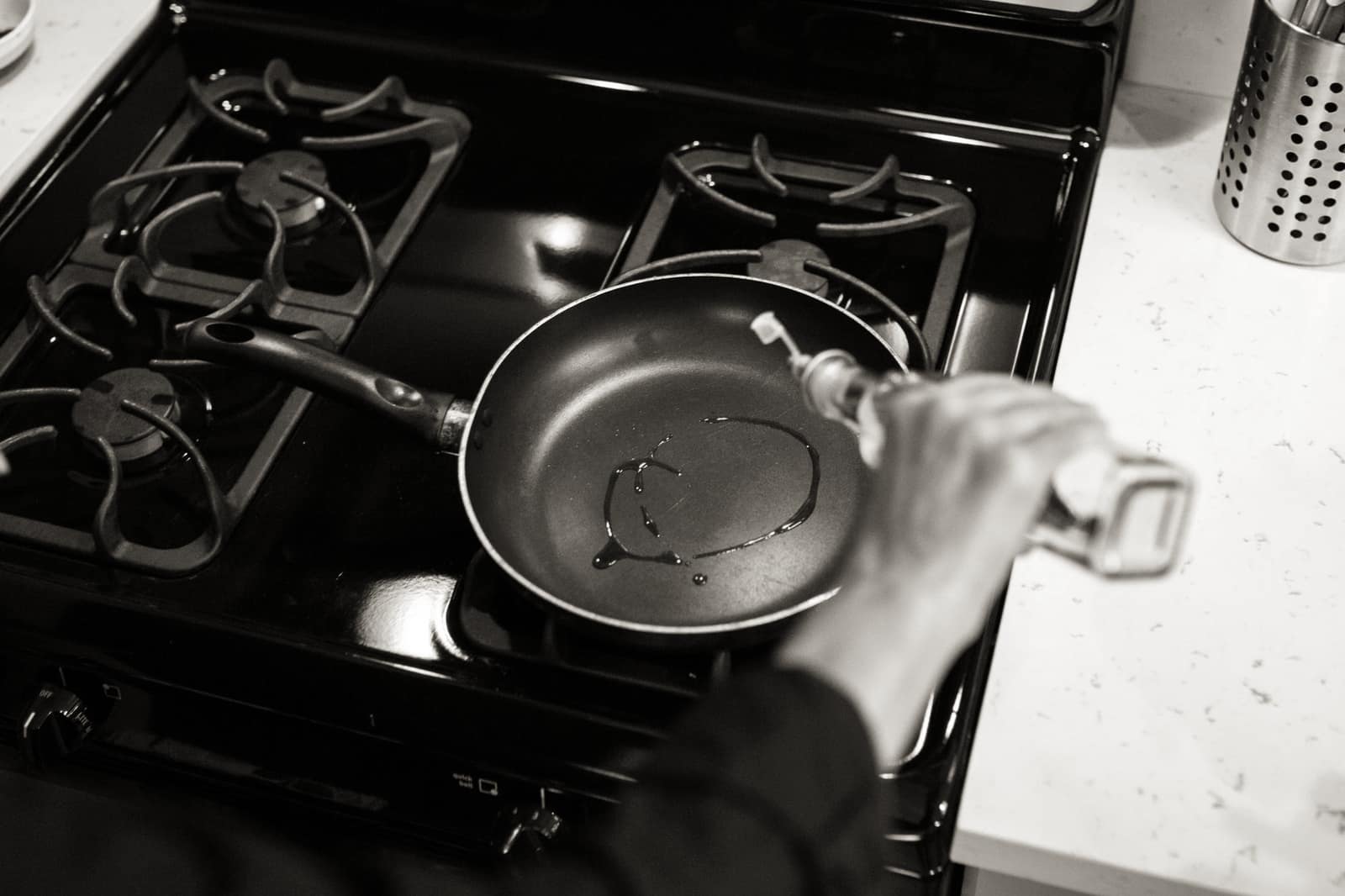
- Never preheat empty. An empty coated pan on high heat is the fastest way to damage any coating, PTFE or ceramic.
- Medium heat, always. These pans are for eggs and fish, not searing. Sear in something else.
- Hand wash. Dishwasher detergent is aggressive and shortens coating life even where the pan is rated dishwasher safe.
- No stacking without protection. Pan-on-pan abrasion in a cupboard does real damage.
- Replace it when it stops releasing. A worn coated pan is a bad pan, not a cheaper one.
- One household is an exception to all of this. If birds live with you, the material stops being a preference — see cookware when you have pet birds, the only page on this site that gives a categorical answer about PTFE.
Common questions
›Is nonstick cookware safe?
For normal cooking, the regulators say yes. PTFE is authorized for food contact under 21 CFR 177.1550, and the FDA states that studies show negligible amounts of PFAS in the coating can migrate to food. The real caution is overheating an empty pan, which degrades the coating.
›Is ceramic cookware actually PFAS-free?
Sol-gel silica coatings such as GreenPan's Thermolon are, and GreenPan publishes that Thermolon is PFAS-free, PFOA-free and free of lead and cadmium. What no ceramic maker publishes is how long the coating keeps releasing, which is the trade-off you are actually making.
›How long does a nonstick pan last?
No manufacturer publishes a figure, PTFE or ceramic. Coating life depends on heat, utensils and washing, so treat any coated pan as a consumable measured in a few years and buy at a price you would replace without regret.
›Did the FDA ban PFAS in cookware?
No. The January 2025 FDA action concerned 35 notifications for PFAS grease-proofers on paper and paperboard food packaging, which had been abandoned. Cookware coatings were not covered, and PTFE remains authorized for food contact.
Sources
Every figure on this page came from one of these. Follow them and check our arithmetic — that is the point.