Cast iron: the cheapest thing in the kitchen that outlives the kitchen
Enormous thermal mass, a lifetime warranty, and a weight problem nobody mentions until you own one.
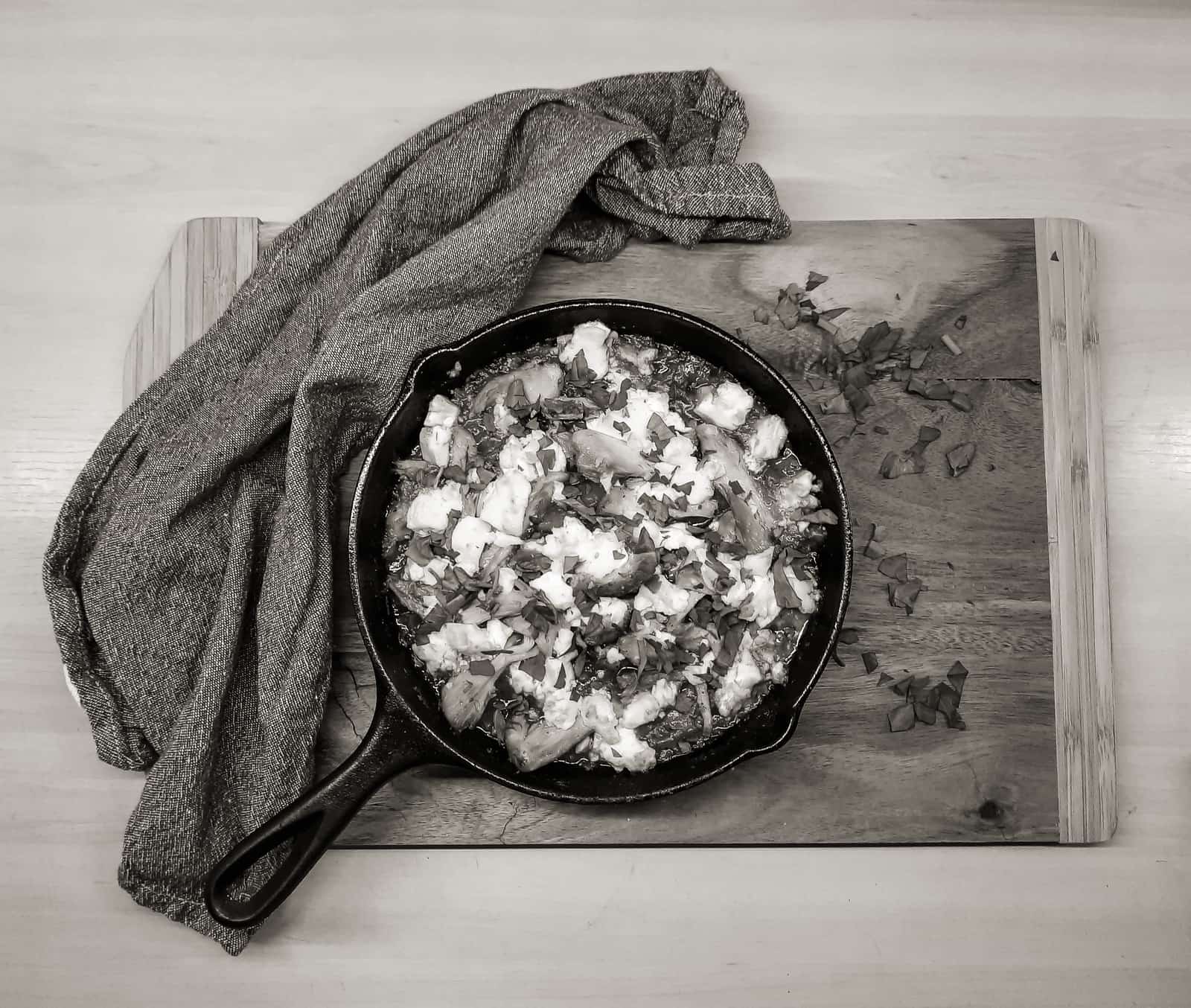
Start here
Cast iron is the only cookware material where the cheap version and the expensive version are made of the same thing. A Lodge skillet and a boutique skillet are both gray iron, both conduct at roughly 50 W/m-K, and both will still be usable in fifty years. What you pay extra for is surface finish and weight distribution, not material or longevity.
It is also the material most often bought for the wrong reason. Cast iron is not nonstick, is not low maintenance, and is not versatile. It is a heat battery, and it is exceptional at exactly one thing: putting a hard sear on something. Start with the best cast iron skillets or, if you are not sure it is the right material at all, cast iron versus carbon steel.
In this section
Every page below carries its own reasoning and its own sources. Roundup tiles show the current top pick and a live price where one exists.
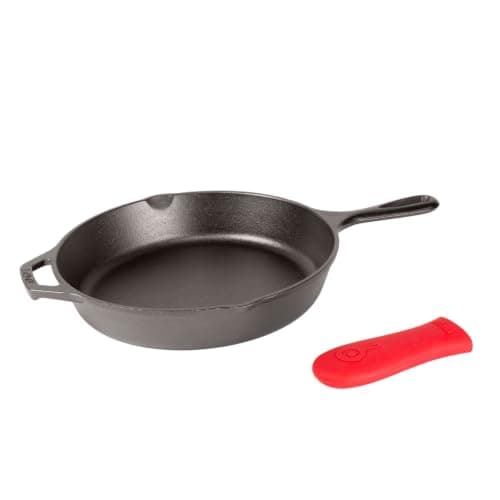
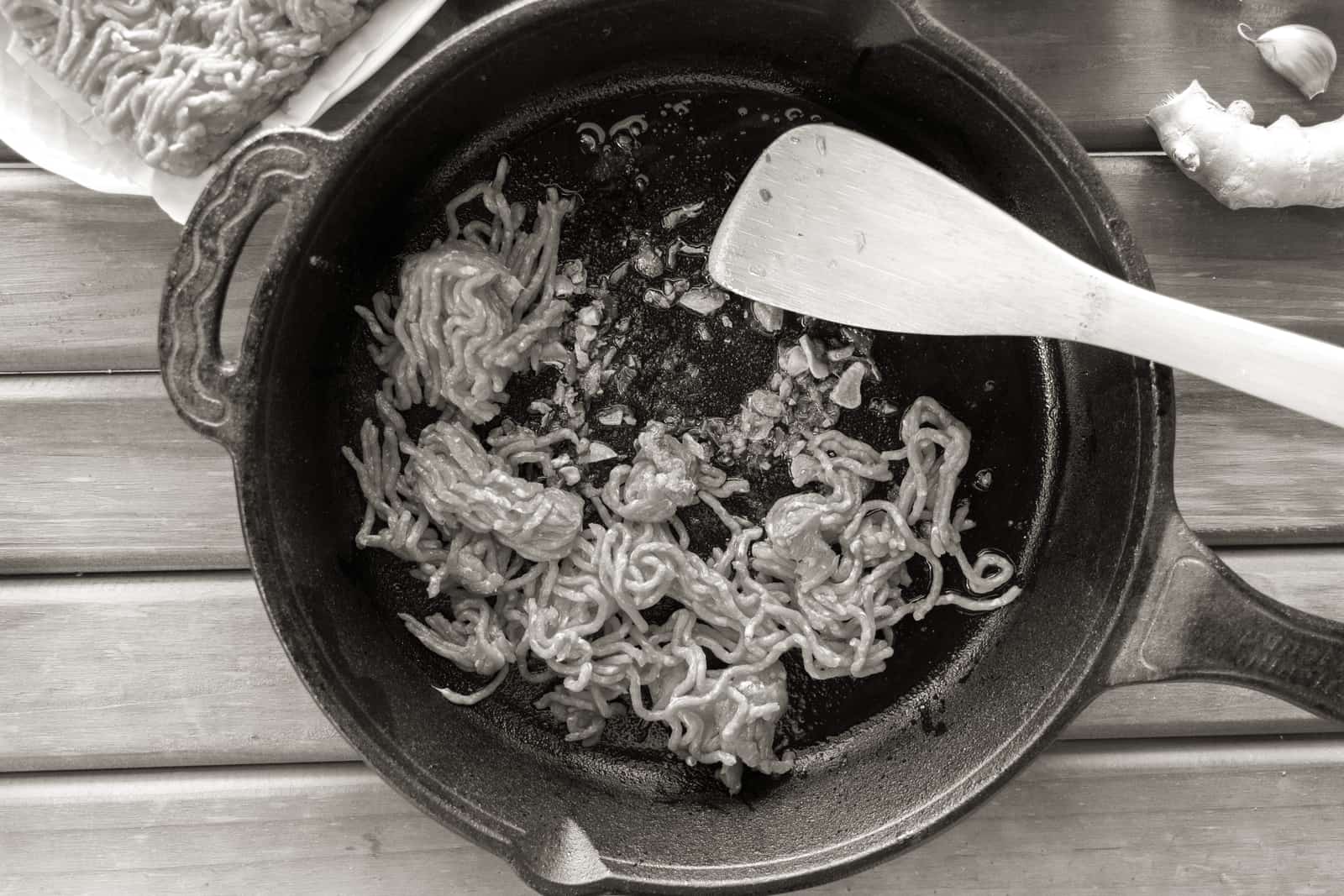
Top pick: Lodge Seasoned Cast Iron Skillet, 10.25 in (L8SK3)
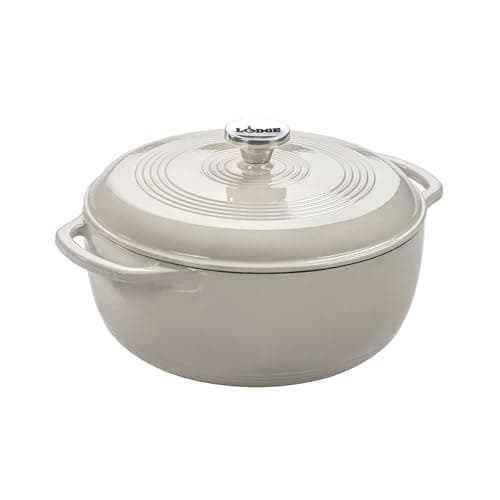
Top pick: Lodge Enameled Cast Iron Dutch Oven, 6 qt
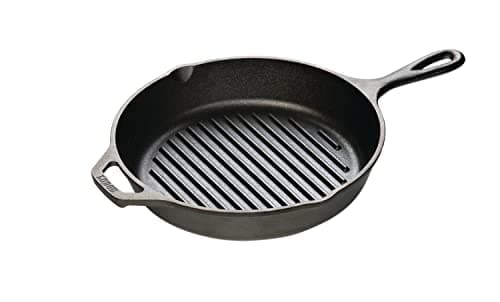
Top pick: Lodge Cast Iron Grill Pan, 10.25 in
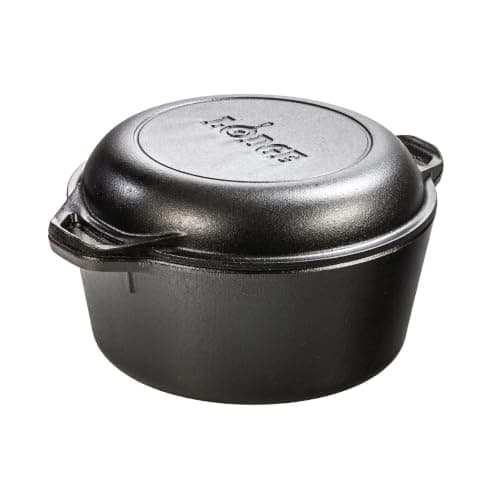
Top pick: Lodge Cast Iron Double Dutch Oven, 5 qt
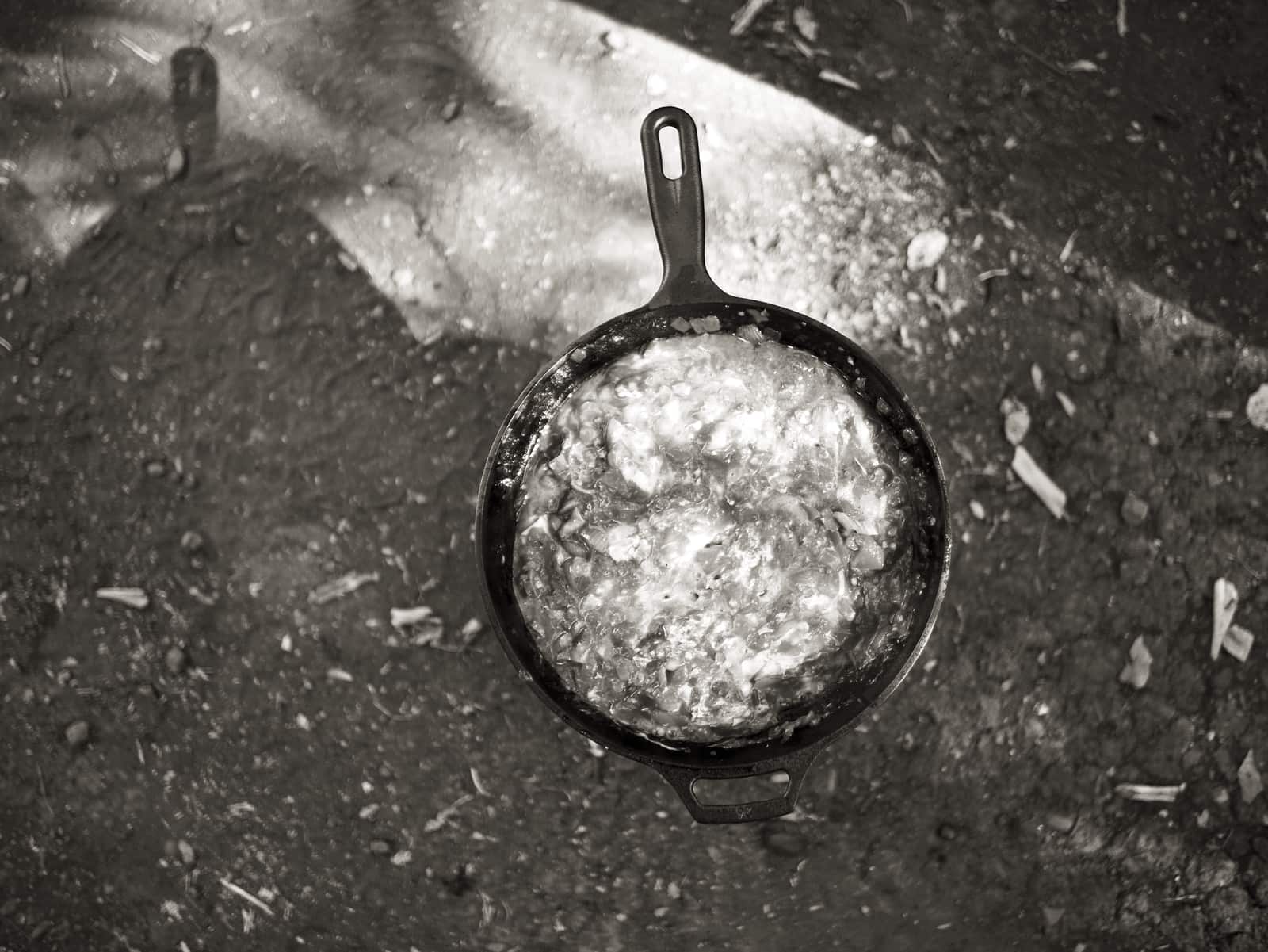
Top pick: Lodge Seasoned Cast Iron Skillet, 10.25 in (L8SK3)
Top pick: Lodge Enameled Cast Iron Dutch Oven, 6 qt
Top pick: Lodge Seasoned Cast Iron Skillet, 10.25 in (L8SK3)
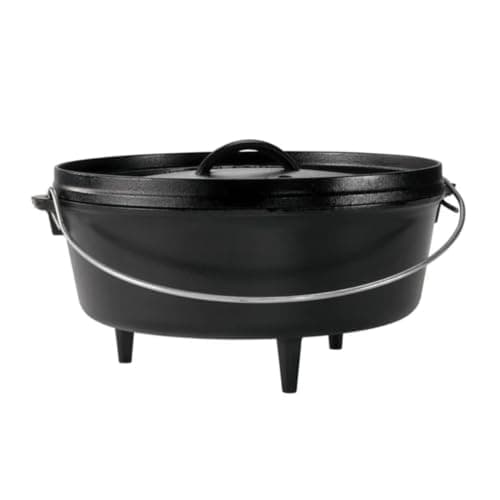
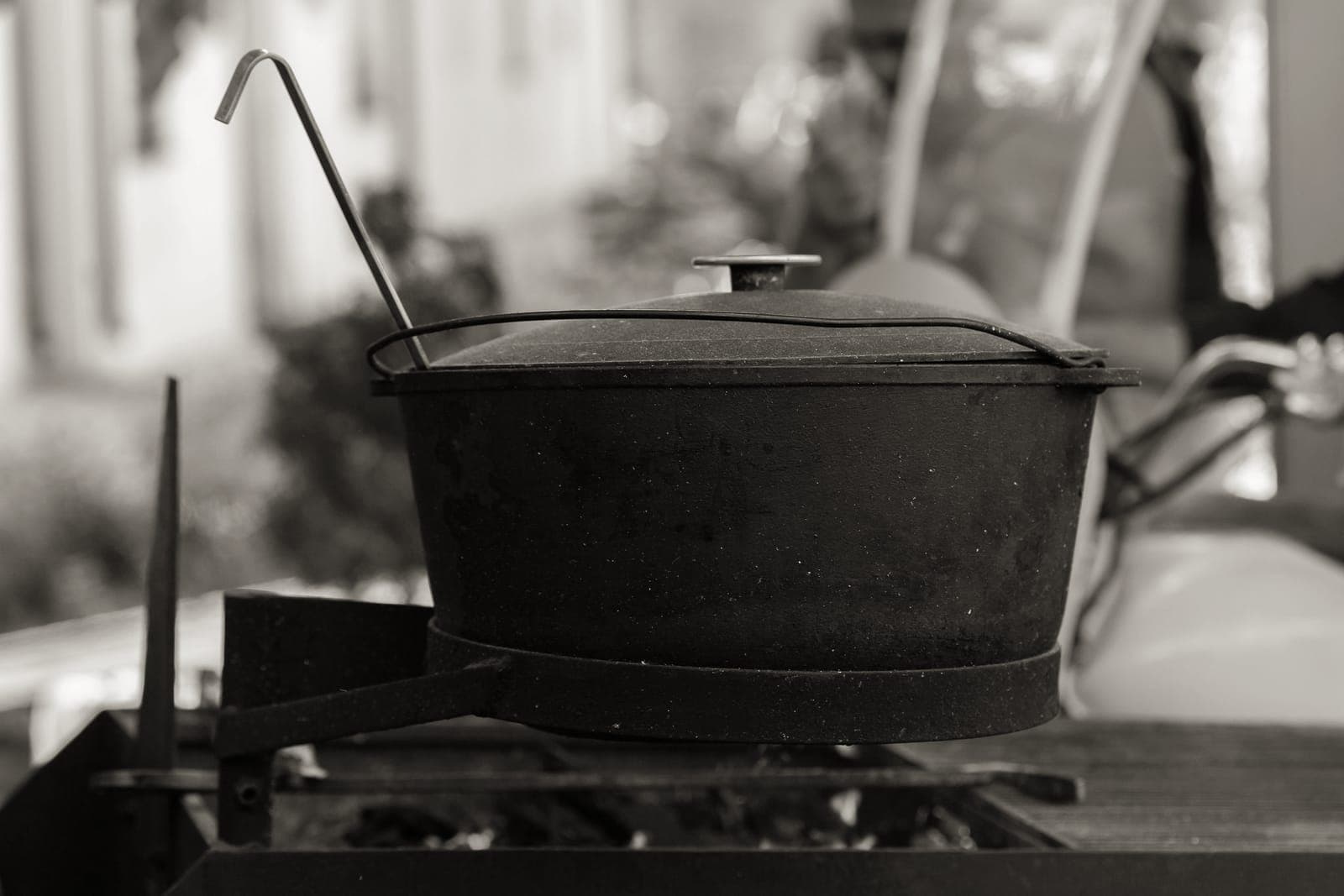
Top pick: Lodge Cast Iron Camp Dutch Oven, 6 qt
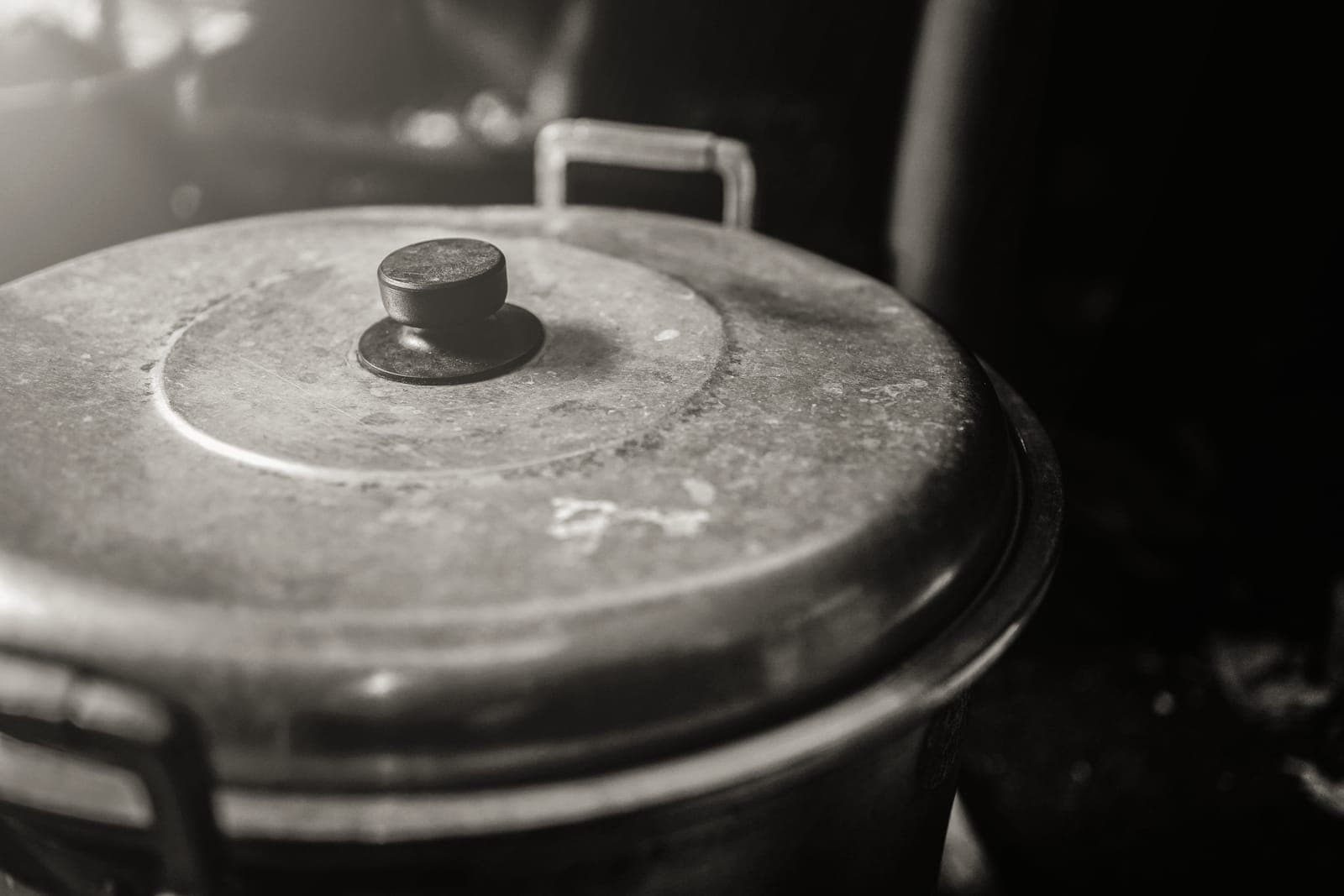
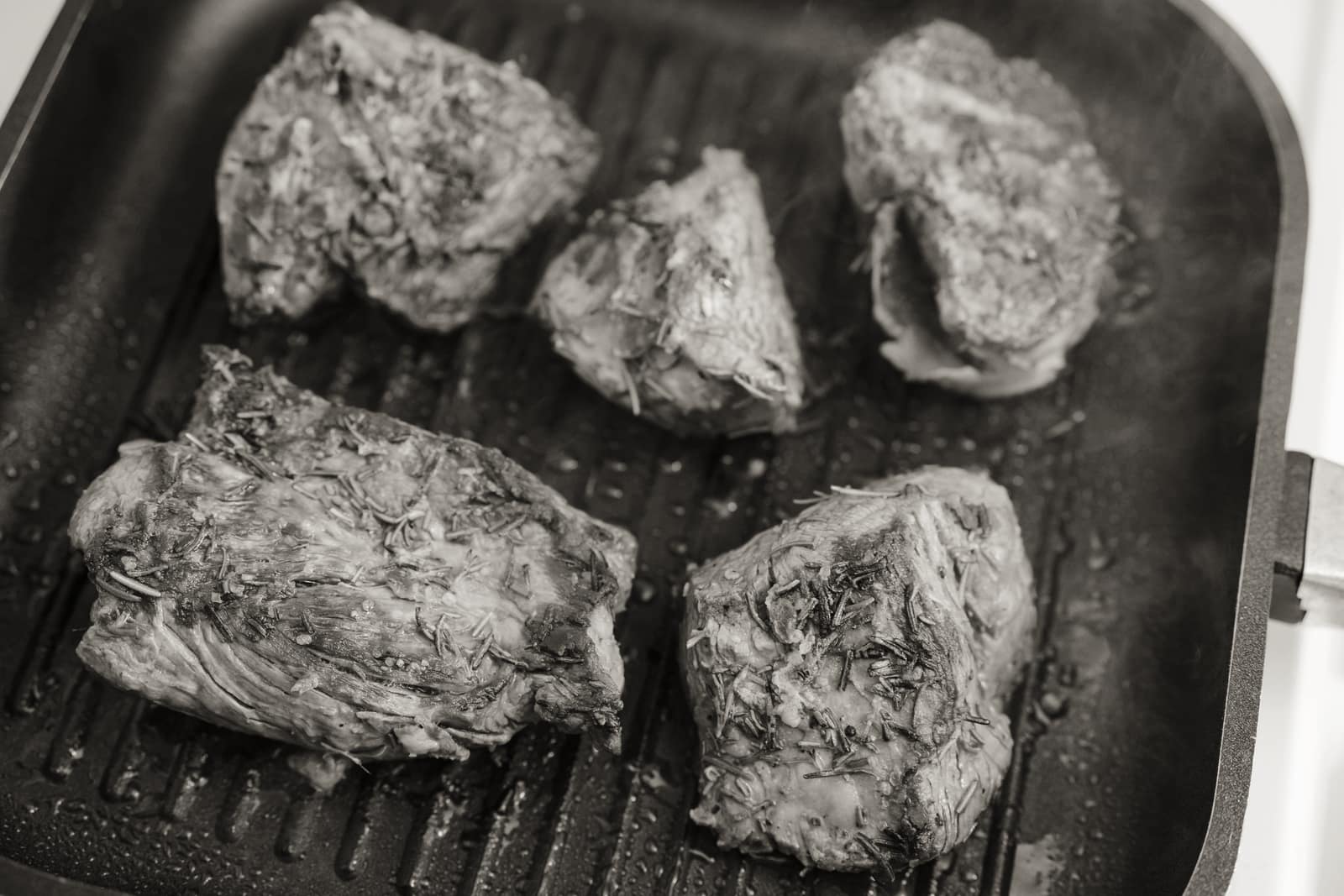
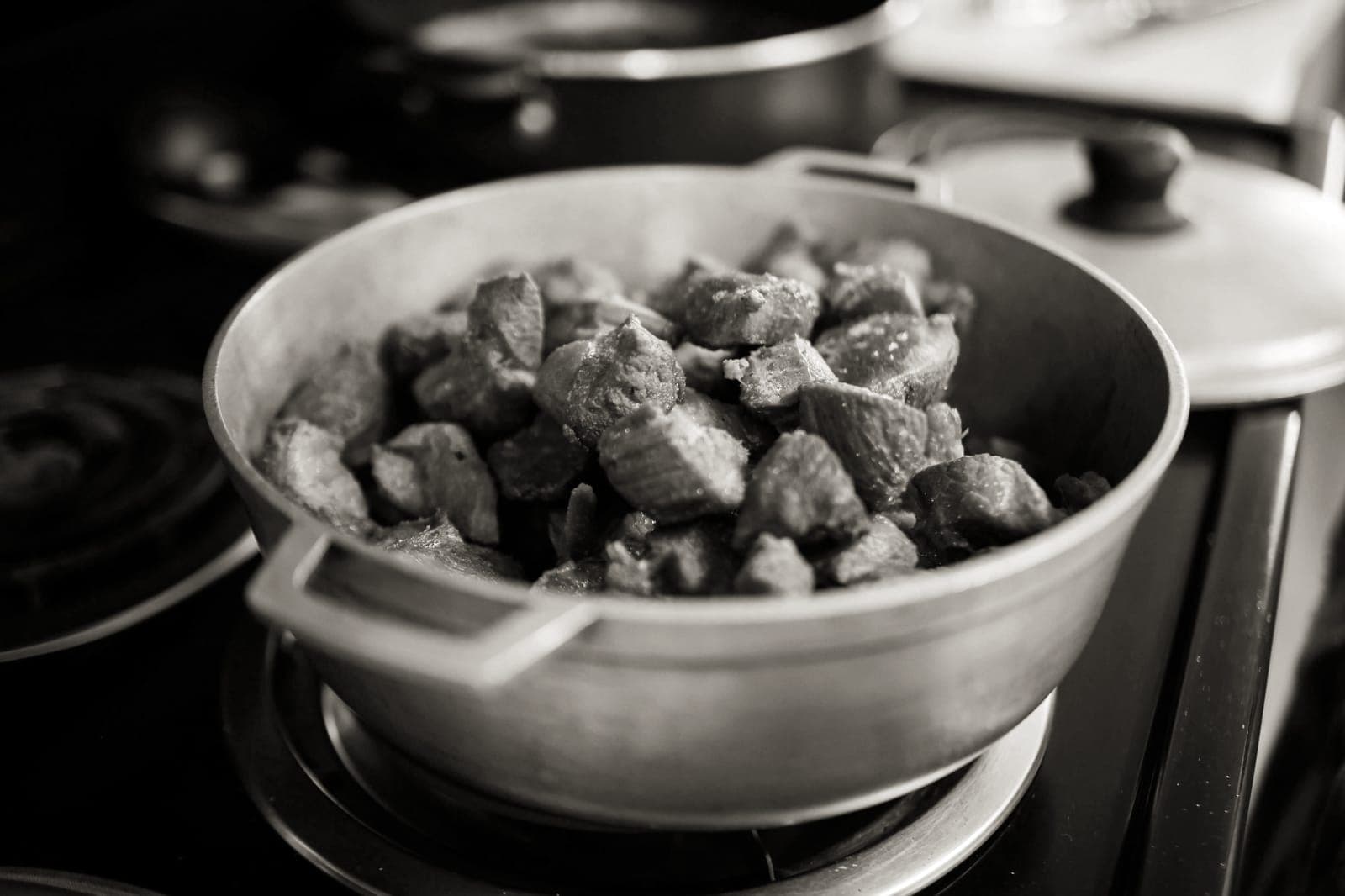
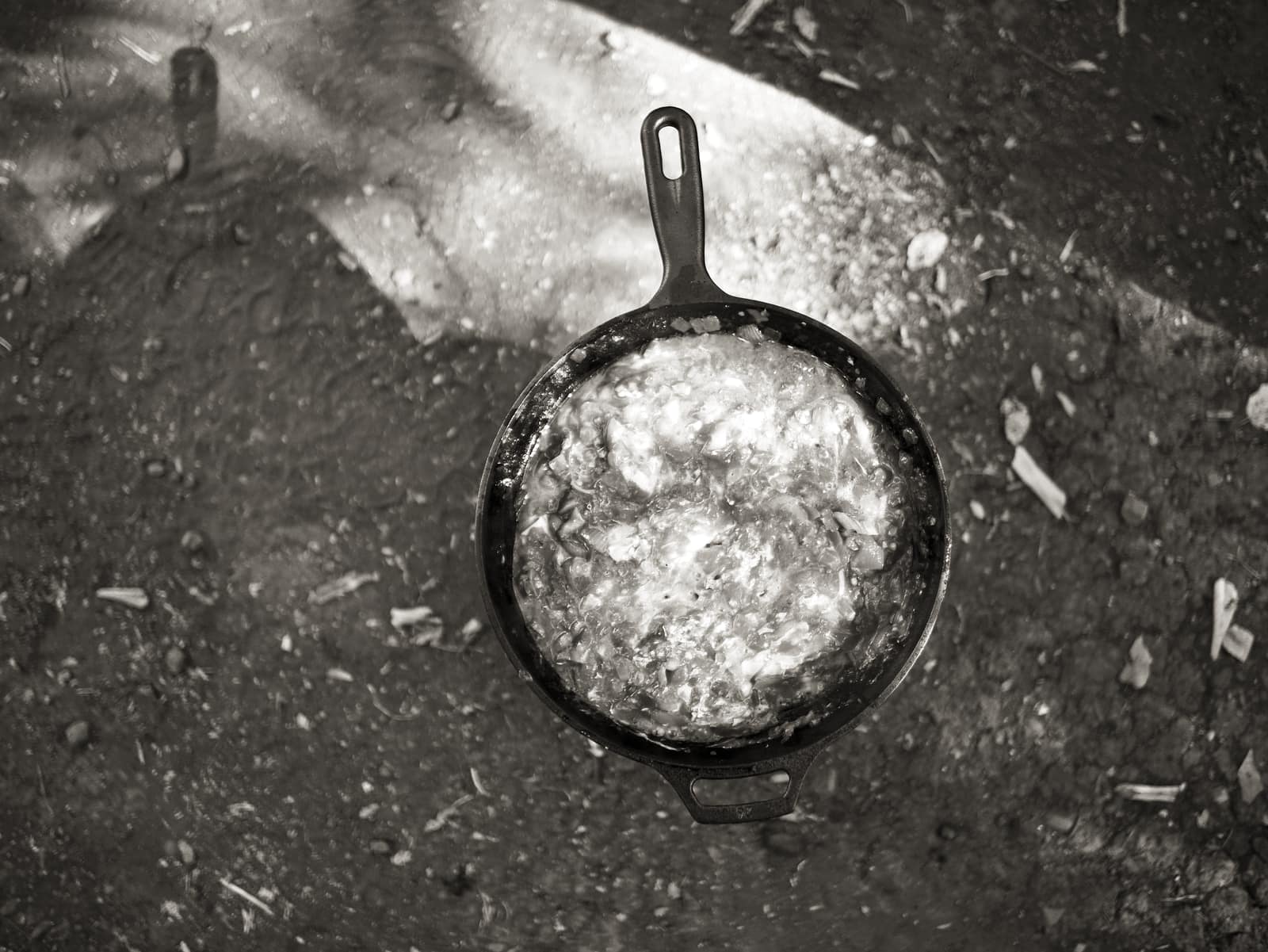
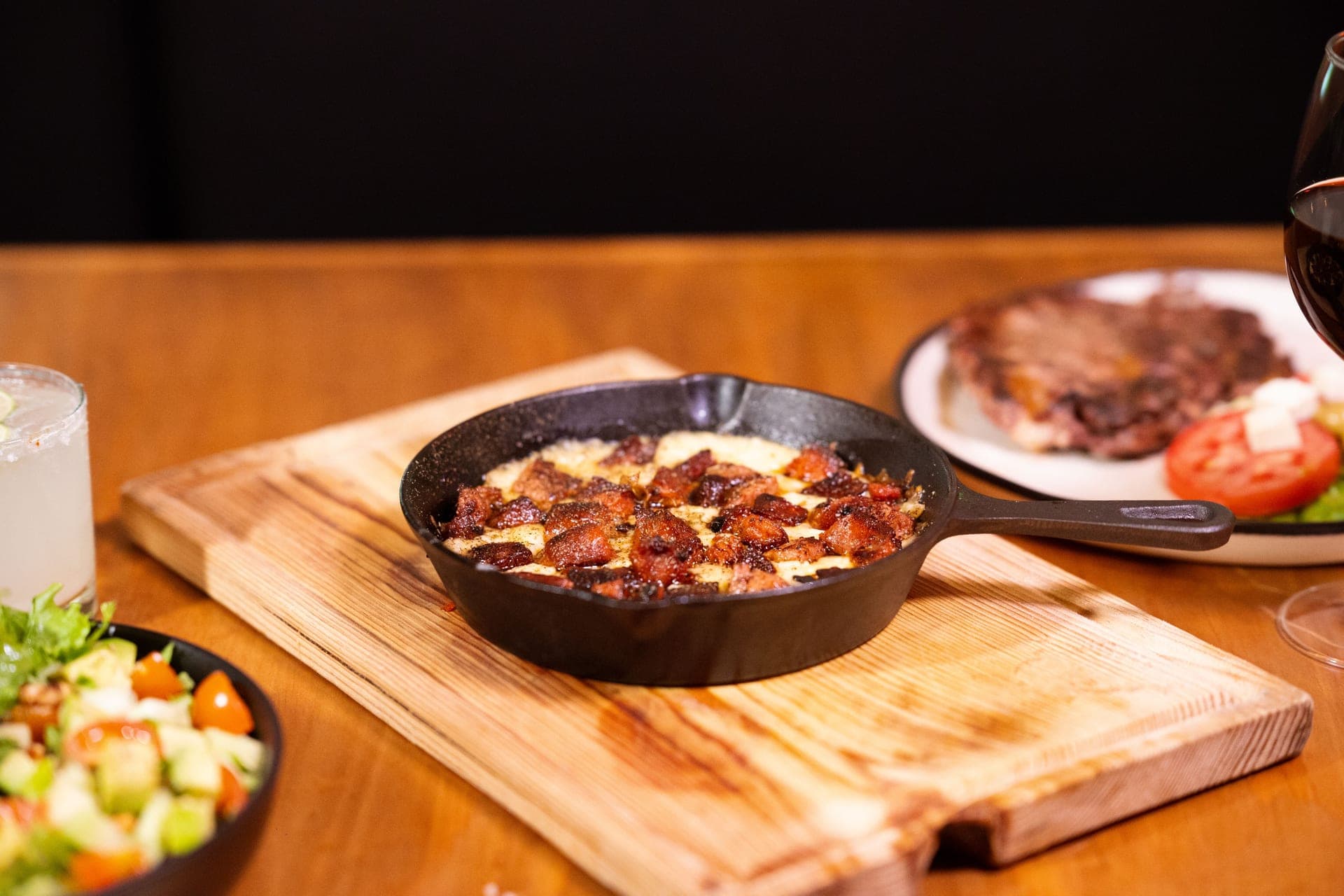
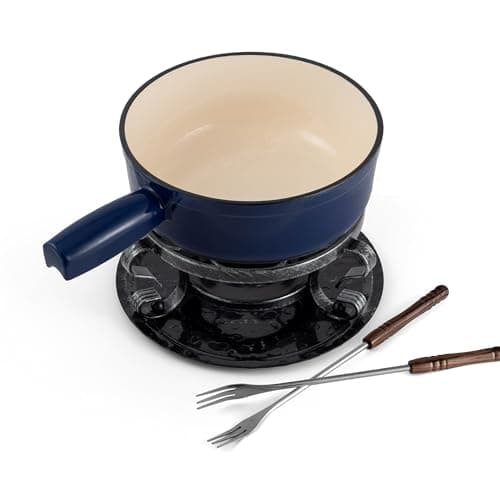
Top pick: Swissmar Lugano Cast Iron Cheese Fondue Set, 2 qt, 9-Piece
Thermal mass is the whole argument
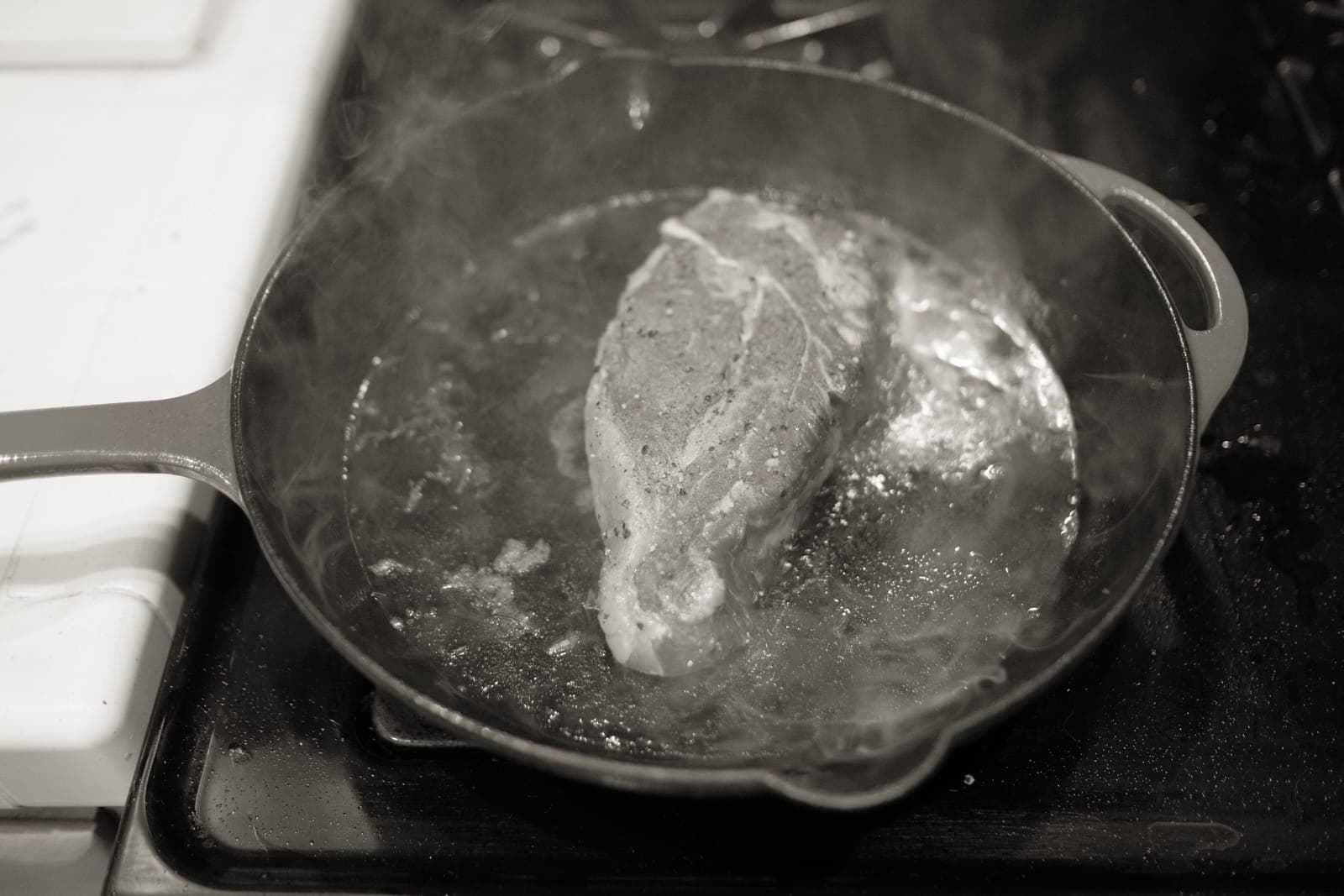
A Lodge 10.25-inch skillet weighs 5.66 lb empty. That number is usually quoted as a complaint, and it is also the entire reason to own the pan. Heat is energy, and a heavy pan stores a lot of it. When you drop a cold steak into a hot thin pan, the pan temperature collapses and the steak steams. Drop it into 5.66 lb of iron at the same temperature and the pan barely notices.
Cast iron is not a good conductor. At around 50 W/m-K it is only marginally better than carbon steel and dramatically worse than aluminum, which is why a cast iron skillet on a small burner has a hot ring in the middle and cool edges. It is slow to heat and slow to even out — give it five to eight minutes over medium, not ninety seconds over high, and move it around the burner while it warms.
Seasoning, and what Lodge actually says about soap
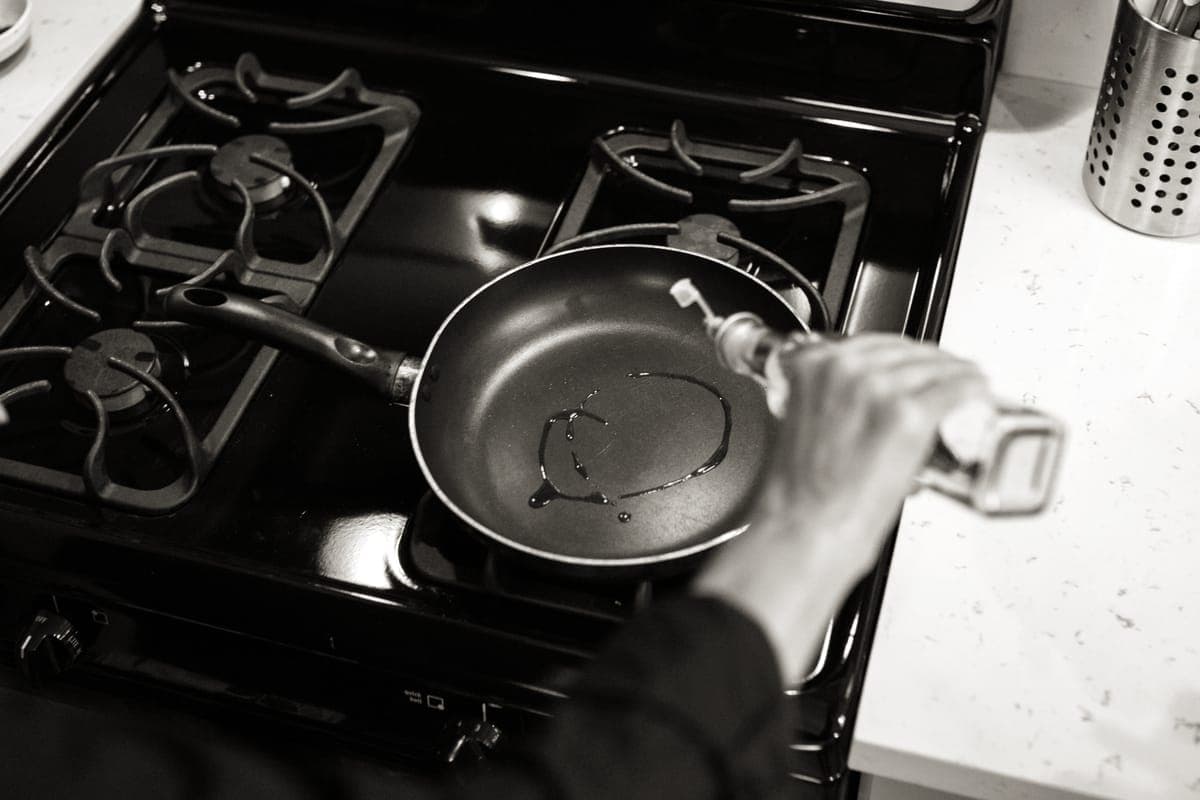
Seasoning is polymerized oil: a thin layer of fat baked past its smoke point until it cross-links into a hard, slick film bonded to the iron. It is not a coating applied at a factory in the way nonstick is, and it is repairable indefinitely, which is why a rusted junk-shop skillet can come back.
Lodge publishes its own method and it is worth quoting because it contradicts the folklore. Preheat the oven to 450 to 500F, wipe on "a very thin layer of cooking oil" — "go easy on the oil, you want just a thin layer, not enough to drip" — put the pan upside down on the center rack with foil below, bake for one hour, and let it cool in the oven.
And on washing, Lodge's own instruction is: "Use warm, soapy water to wash your pan, then dry completely." The manufacturer says soap is fine. The thing that actually destroys seasoning is leaving the pan wet, not dish detergent. Full method in seasoning and caring for cast iron.
What cast iron is genuinely bad at
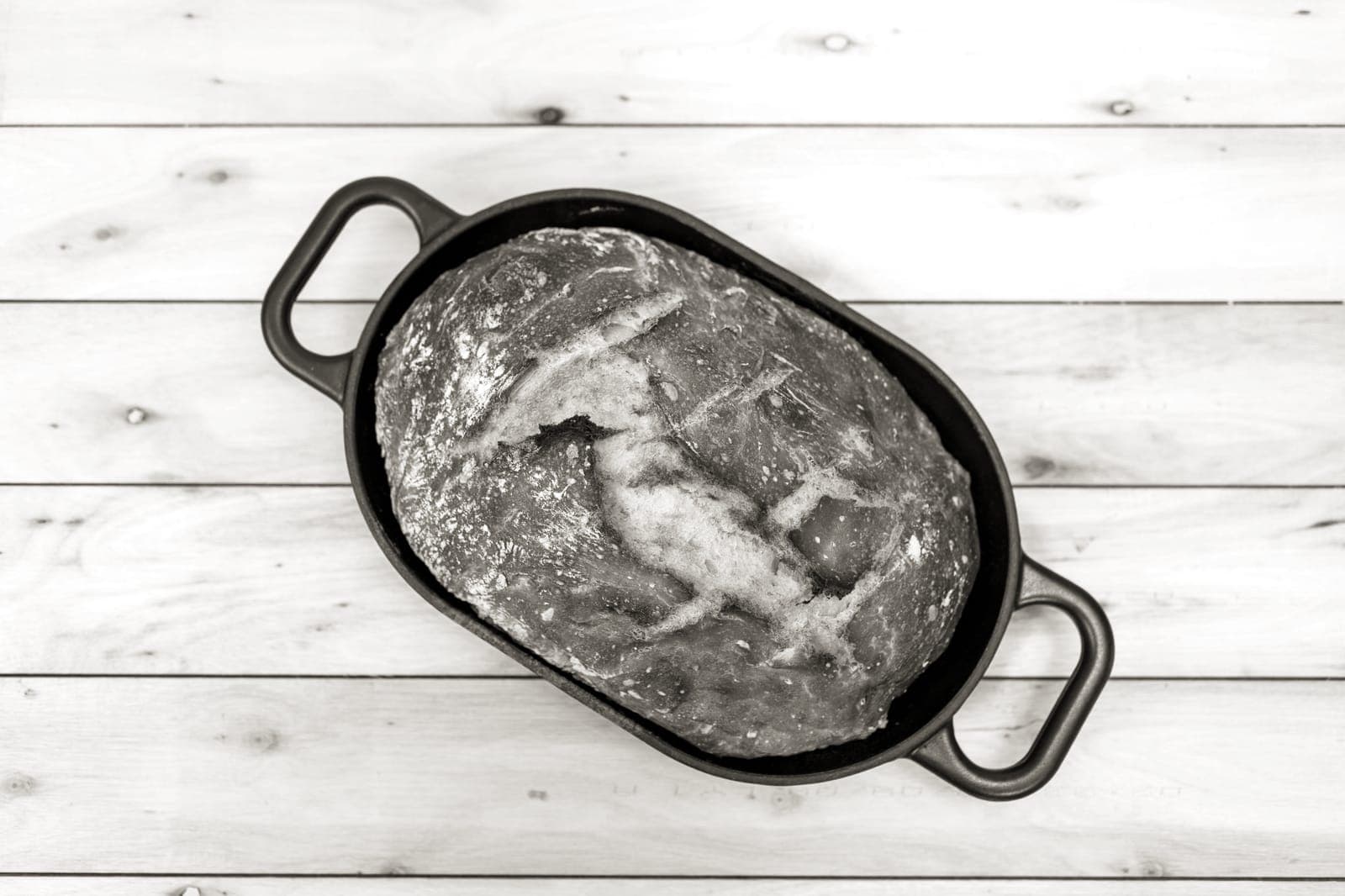
It is reactive. A long tomato braise in bare iron will taste metallic and will strip the seasoning you built. That is the gap enameled cast iron fills, and it is a real gap, not a marketing one — see bare versus enameled cast iron.
It is heavy enough to be a genuine accessibility problem. A 12-inch skillet full of food is a two-handed lift for most people, and this is the single most common reason a cast iron pan ends up at the back of a cupboard. If that describes you, carbon steel does most of the same jobs at roughly half the weight.
And it is slow. If you want a pan that responds when you turn the heat down, this is the wrong material — that is what clad stainless is for.
Sizes, and the one most people get wrong
The 10.25-inch skillet is the default and it is the right default for one or two people. The 12-inch is what people wish they had bought once they are cooking for three or four, because searing four portions in a 10-inch pan means crowding them, and crowded food steams instead of browning.
But a 12-inch pan overhangs a standard 8-inch burner, and on a poor conductor like iron that means a genuinely cooler rim. If your stove is compact, the 10.25 is the better buy despite the capacity. Sizing walkthrough in what size cast iron skillet.
What to check before you buy
- Weight, honestly. Lift something of the same weight before committing.
- Burner size versus pan size. Overhang means cold edges on this material.
- Whether it is for you at all. Buying it for somebody else changes the question, because you hand over a routine as well as a pan - cast iron as a gift.
- Whether you need enameled instead. If you mostly braise, you do.
- Oven ceiling. Bare Lodge iron is rated to 550F; enameled pieces are lower because of the knob.
Common questions
›Can you use soap on cast iron?
Yes, and Lodge's own care instructions say to: wash with warm soapy water and dry completely. Seasoning is polymerized oil bonded to the metal, not a film of grease sitting on it. What actually damages it is leaving the pan wet.
›What size cast iron skillet should I buy?
A 10.25-inch skillet suits one or two people and fits a standard burner. Go to 12 inches only if you regularly cook for three or more and your burner is large enough that the pan does not overhang much, because cast iron conducts poorly and an overhanging rim runs cold.
›How do you season a cast iron skillet?
Lodge's published method: wash and dry the pan, wipe on a layer of cooking oil too thin to drip, put it upside down on the center oven rack with foil below, bake at 450 to 500F for one hour, and let it cool in the oven.
›Is expensive cast iron better than Lodge?
It is smoother and often better balanced, not longer lasting or better at conducting heat. Both are gray iron with the same thermal properties. A machined smooth surface releases food better when new; a Lodge pan gets there with use.
Sources
Every figure on this page came from one of these. Follow them and check our arithmetic — that is the point.