Brand reviews, built from what the brand publishes about itself
We have not cooked in any of this. What we have done is read every spec sheet, manual and warranty the brand publishes, and said what they add up to.
Start here
A brand review here is not a verdict on how the pans feel, because we have not held them. It is an audit of what the company is willing to put in writing: construction, gauge, oven ceilings, where it is made, what the warranty covers and what it excludes.
If you want the summary rather than thirty separate audits, best cookware brands ranks them by what each company publishes and by the job each one is genuinely best at.
In this section
Every page below carries its own reasoning and its own sources. Roundup tiles show the current top pick and a live price where one exists.
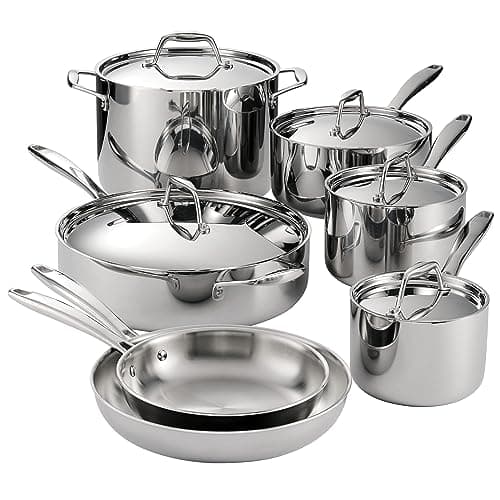
Best value cladTramontina cookware reviewAn audit of Tramontina's published specs, including the oven ceilings that contradict each other.
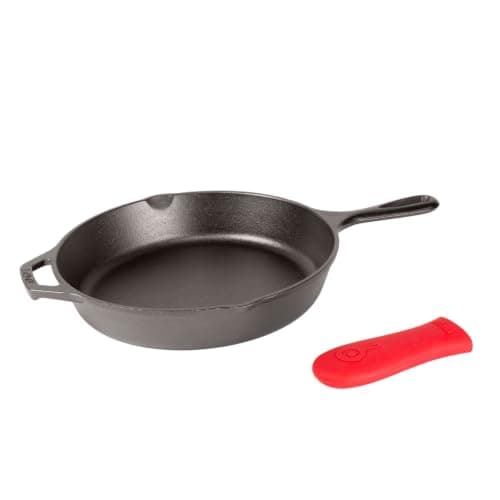
Best documented cast ironLodge cast iron reviewAn audit of what Lodge publishes about its cast iron, including the soap advice that contradicts the folklore.
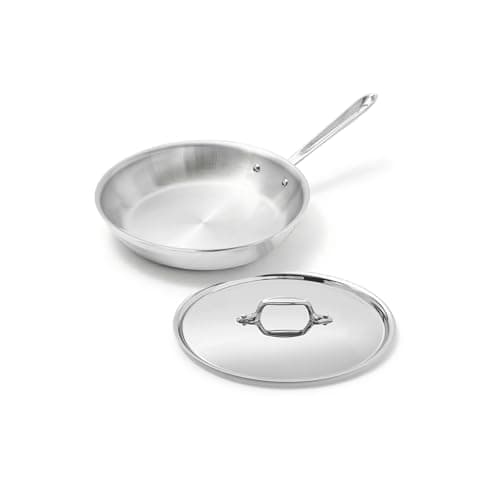
Best documented cladAll-Clad cookware reviewAn audit of All-Clad's published construction, oven ceiling, origin and warranty terms.
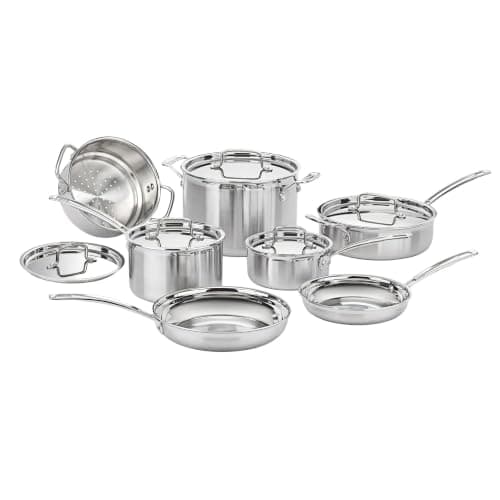
Best dishwasher-safe cladCuisinart cookware reviewAn audit of Cuisinart's published specs, including the oven ceiling its own manual and listings disagree on.
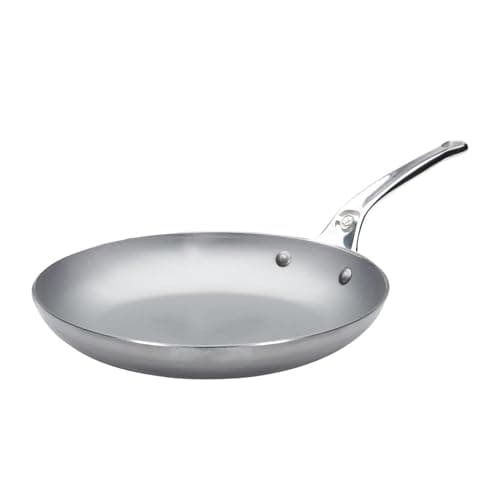
Best documented carbon steelde Buyer cookware reviewAn audit of de Buyer's unusually detailed published specs, and the three gaps in them.
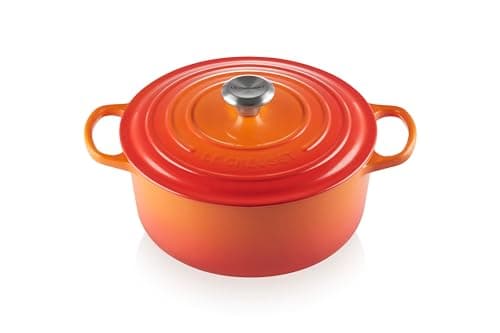
Best documented enameledLe Creuset cookware reviewAn audit of Le Creuset's published enamel, knob rating, warranty and origin - and where the money actually goes.
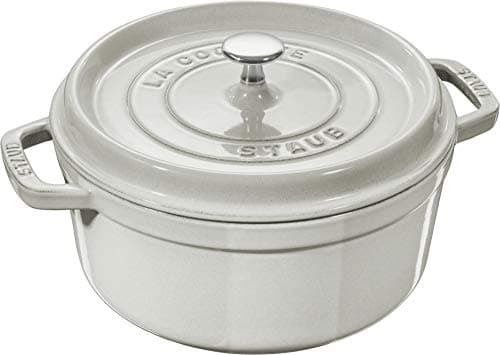
Best stain-proof enamelStaub cookware reviewAn audit of Staub's published enamel, lid design, oven rating and origin, and what the black interior costs you.
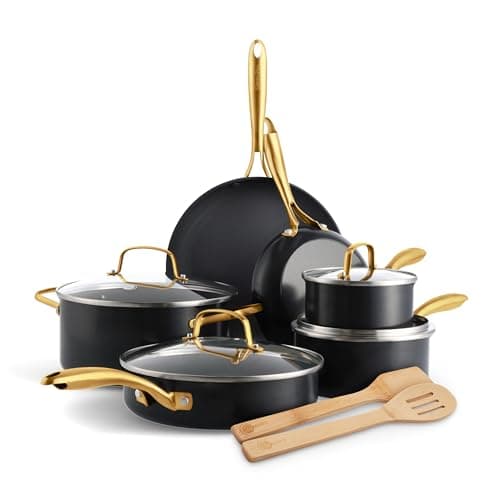
Best documented ceramicGreenPan cookware reviewAn audit of Thermolon's published composition, the misquoted 850F figure, and the missing lifespan.
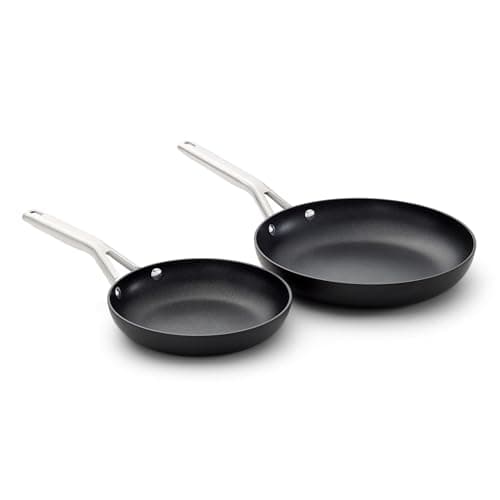
Best documented nonstickCalphalon cookware reviewAn audit of Calphalon's hard-anodized construction, published ceilings, utensil claim and warranty exclusion.
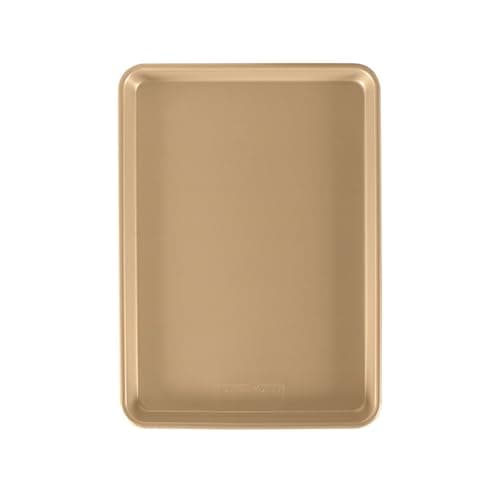
Best documented bakewareNordic Ware bakeware reviewAn audit of Nordic Ware's published materials, rim construction, warranty and care guidance.
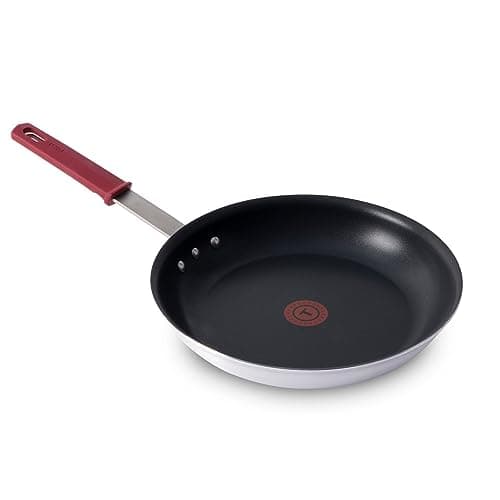
Best budget nonstickT-fal cookware reviewAn audit of T-fal's published ceiling, heat indicator, dishwasher guidance and body thickness.
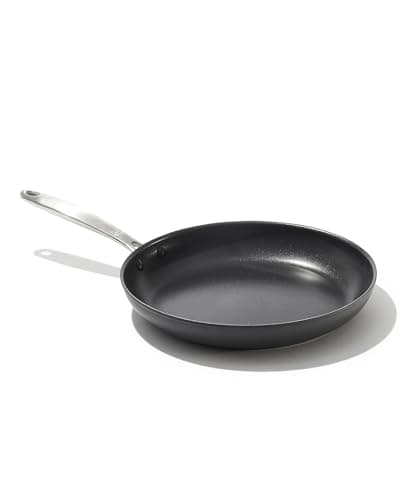
Best handle in nonstickOXO cookware reviewAn audit of OXO's published coating, ceiling, edge design and induction status.
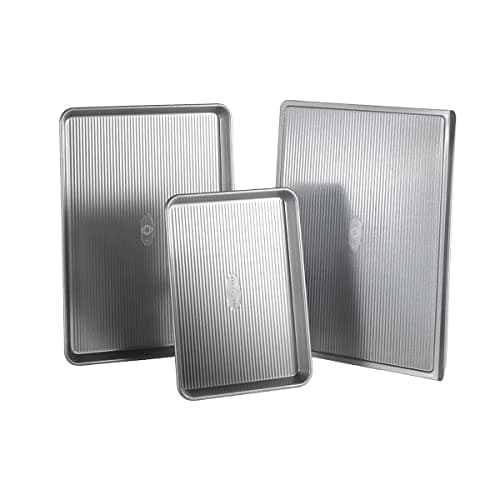
Best documented coatingUSA Pan bakeware reviewAn audit of USA Pan's published coating chemistry, corrugation, origin and care guidance.
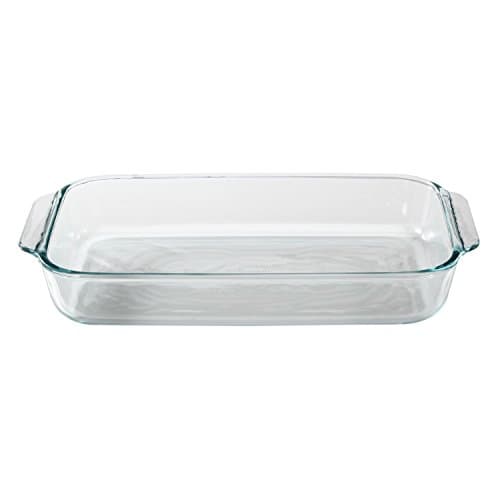
Best non-reactive bakewarePyrex bakeware reviewAn audit of Pyrex's published material, care guidance, and the thermal-shock limit that defines it.
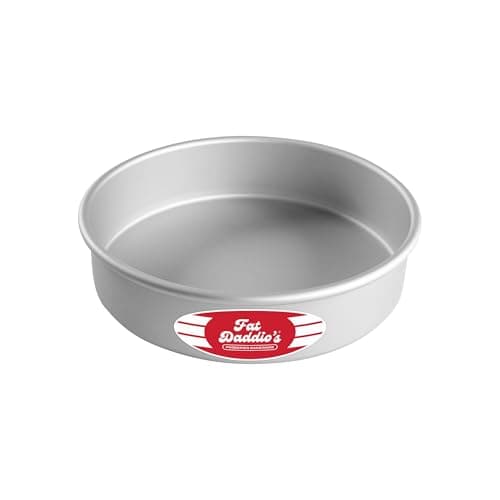
Best pro-style cake panFat Daddio's bakeware reviewAn audit of Fat Daddio's published material, geometry, construction and care guidance.
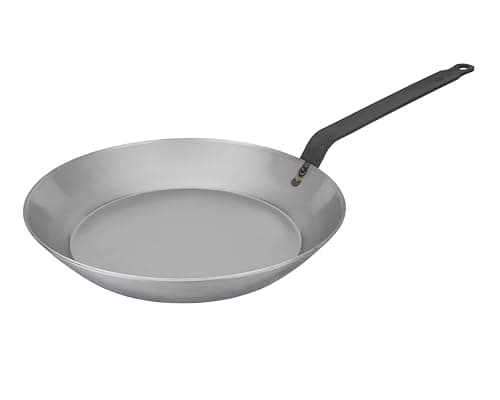
Best restaurant carbon steelMatfer Bourgeat cookware reviewAn audit of Matfer's published construction, handle design, origin, and what it declines to state.
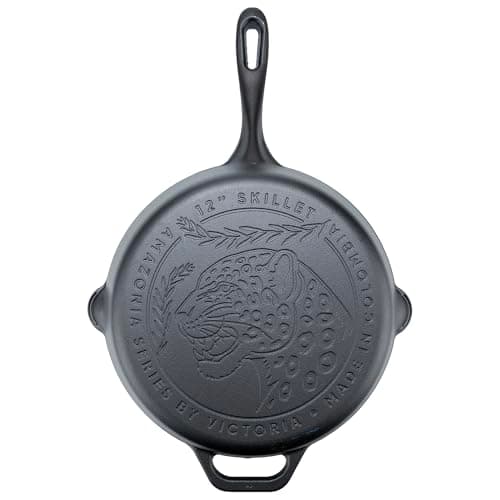
Best value cast ironVictoria cookware reviewAn audit of Victoria's published material, handle geometry, origin and care guidance.
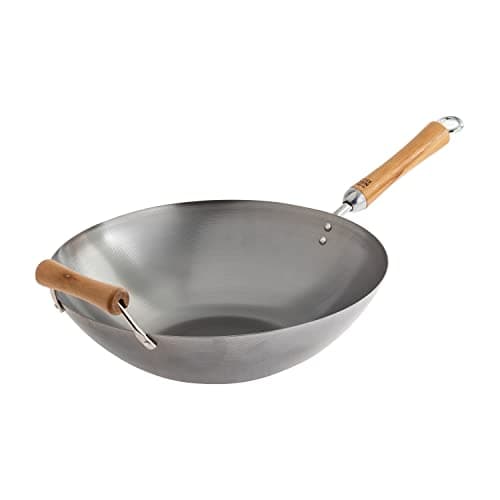
Best documented wokJoyce Chen wok reviewAn audit of the Joyce Chen Classic's base shape, handles, seasoning state and published gaps.
Best cookware brand overallBest cookware brandsThirty brands ranked by what they publish and by the job each one is genuinely best at.
Top pick: Tramontina Signature Tri-Ply Clad 12-Piece Set
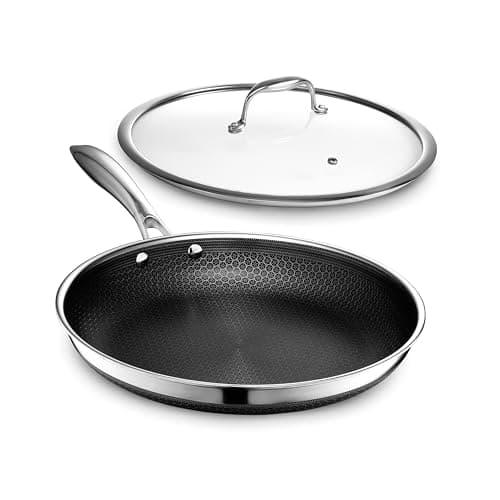
Best metal-utensil-safe coated panHexClad cookware reviewWhat HexClad publishes about the hex pattern, the coating, the 900F rating and the warranty exclusions.
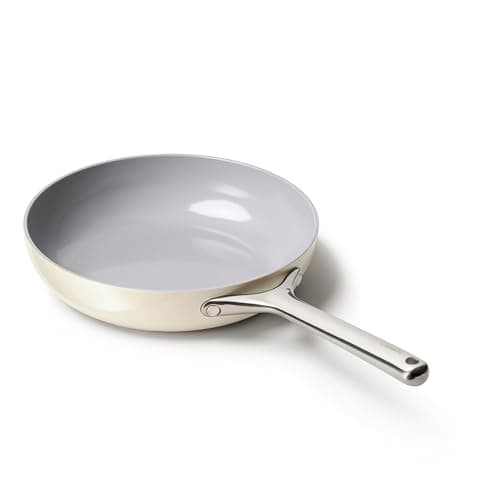
Best published PFAS testingCaraway cookware reviewPublished construction, the third-party PFAS testing, the dishwasher rule, and the gaps.
Best published originMade In cookware reviewPublished thickness, layer count, oven ceiling and origin - and the one specification it counts rather than names.
Least checkable brand hereCarote cookware reviewWhat Carote publishes, where it publishes it, and why this review has no spec table.
Most completely documentedDemeyere cookware reviewFive-ply rim to rim, welded handles, Silvinox, and the most complete published spec sheet here.
Highest published oven ceilingHestan cookware reviewNanoBond titanium explained, the 1050F ceiling, the nickel-free surface, and the unverifiable percentages.
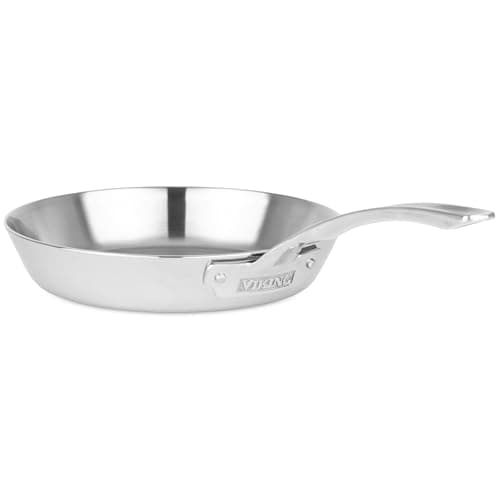
Best named layer stack under premium pricingViking cookware reviewNamed layers, a 600F broiler rating, and the origin line that says only "imported".
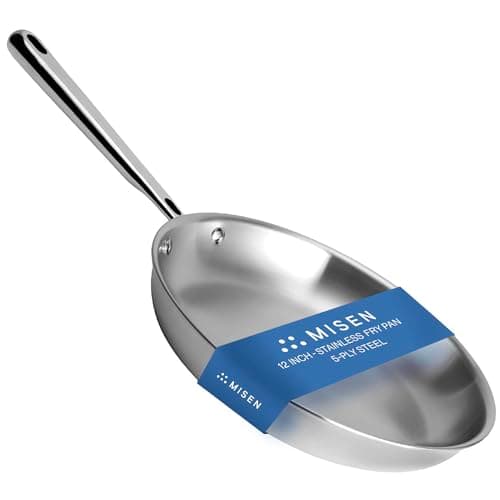
Best named layer stackMisen cookware review3.0 mm five-ply with every layer named, an 800F ceiling, and the specifications it does not publish.
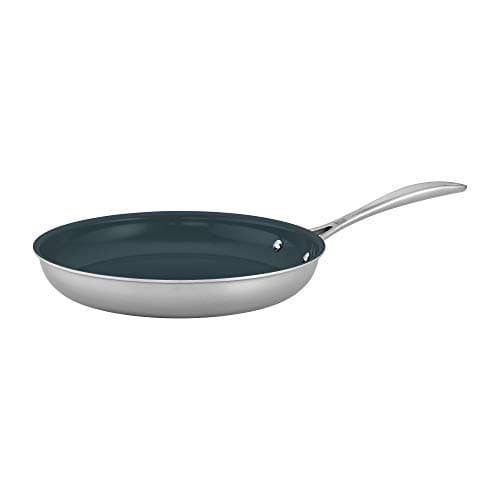
Best published origin on a coated panZwilling cookware reviewClad under a coating, a published country, PTFE-free chemistry, and the 400F problem.
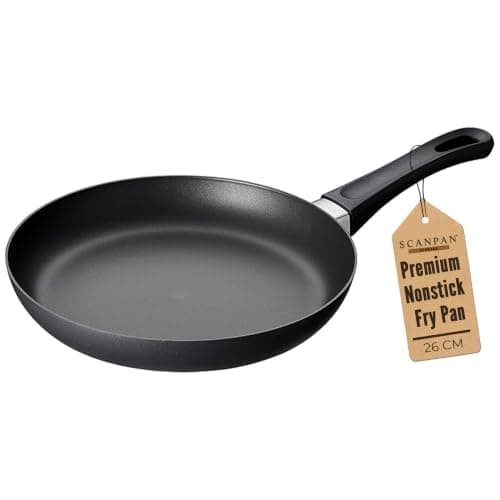
Best rivetless coated panScanpan cookware reviewRecycled cast aluminum, the rivetless handle, metal-utensil safety, and the unpublished coating.
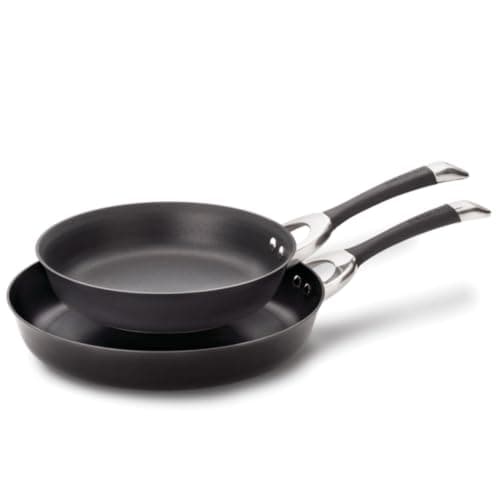
Best raised-surface coated panCirculon cookware reviewWhat the raised circles do, the 400F ceiling, the cooking-spray clause, and the coating warranty nobody else publishes.
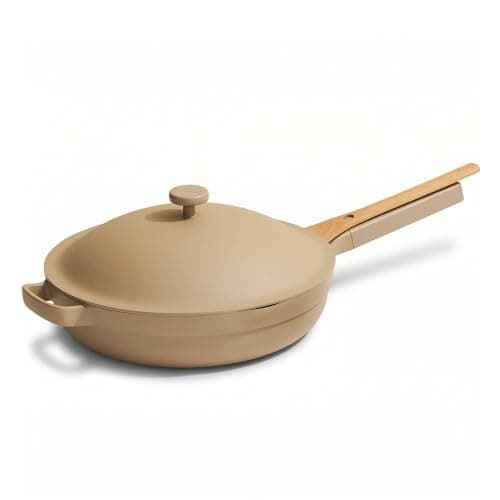
Most honest coating warrantyOur Place cookware reviewThe ten-function claim counted honestly, the published coating chemistry, and two daily rules most buyers miss.
Best non-toxic cookware brandBest non-toxic cookware brandsThirty-one audited brands ranked on published material disclosure, not on marketing claims.
Top pick: Lodge Seasoned Cast Iron Skillet, 10.25 in (L8SK3)
GuideWho actually makes your cookwareThirty-one audited brands sorted by whether they name a factory, hedge, or publish nothing at all.
GuideHow to read cookware reviewsFive checks for any cookware review, the three common failure patterns, and how to apply all of it to this site.
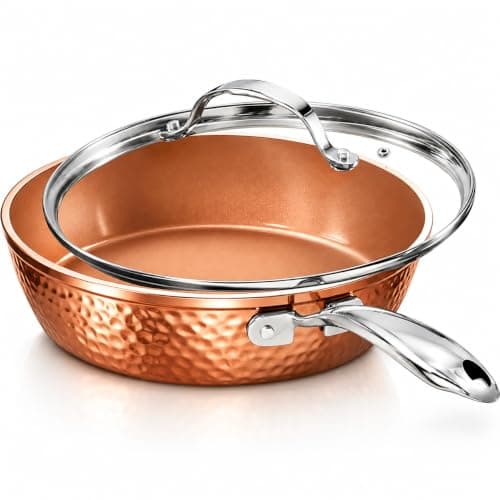
Most warranty for the least moneyGotham Steel cookware reviewA coated aluminum brand with a published oven ceiling and a ten-year warranty, and no published coating lifespan.
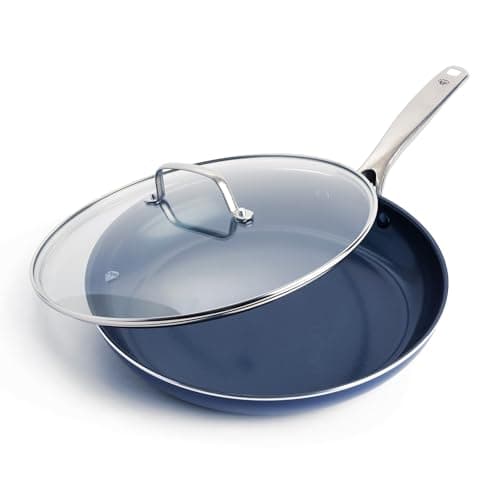
Highest published oven ceiling in coated cookwareBlue Diamond cookware review600F and broiler safe with a plain PFAS-free claim, undercut by unverifiable durability multiples and an induction exclusion.
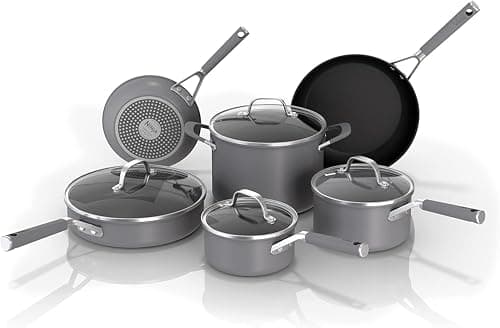
Most published specification in coated cookwareNinja cookware reviewA 4.5 mm base, a 500F ceiling on lids and handles too, and a ten-year guarantee - with the coating chemistry unstated.
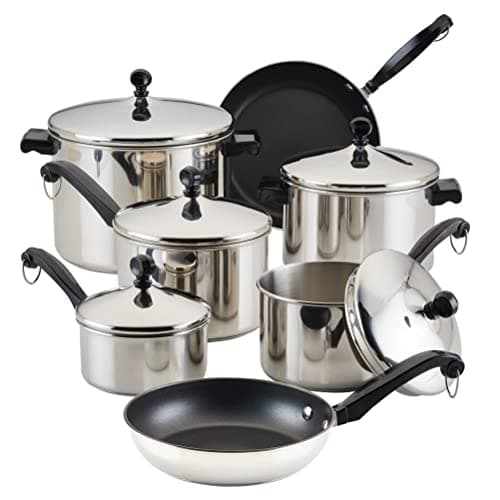
Lowest published oven ceiling in this ledgerFarberware cookware reviewLifetime limited warranty, full-cap bases, a 350F ceiling, and two nonstick frying pans inside a set called stainless steel.
What a review here actually checks
The same eight things every time, so the reviews are comparable rather than a collection of impressions.
Construction, published. Ply count, core material, gauge or thickness in millimeters. If the brand does not publish it, that is the finding.
Oven ceiling, from the manual. Not from the retail listing. These disagree more often than they should.
Induction compatibility, and whether it is claimed or actually specified.
Care instructions as the maker writes them, including the ones that contradict popular advice.
Warranty terms, and specifically what they exclude.
Manufacturing location, where the brand states it.
Range coherence — whether the line is one product family or a badge on several unrelated factories' output.
Who should skip it. Every review carries one.
Why the list grows slowly
Because writing a brand review properly means reading every manual and warranty document the brand publishes, and doing that badly is worse than not doing it. Tramontina and Lodge went first because both are genuine value recommendations for a first kitchen, both are stocked deeply enough that a recommendation is actionable, and both publish enough documentation to audit. Every review added since has had to clear the same bar.
The brands with the largest search volume — the ones with big marketing budgets and heavy influencer presence — are deliberately not first. A new site that leads with those is chasing traffic it will not get and skipping the brands its readers should actually be considering.
Why there are no star ratings here
A star rating implies a test. We have not tested these products, we say so on every page, and putting a number on a product we have not handled would contradict our own methodology page in the same breath as publishing it.
So there is no rating, no score out of ten, and no aggregateRating in the structured data either — because the machine-readable version of a page should say exactly what the visible version says. What you get instead is the specification audit, the arithmetic, and a clear statement of who should not buy the thing.
Two pages here are about the reviews rather than the brands. How to read cookware reviews is the checklist we would want a reader to apply to this site as well as to anyone else's, and who actually makes your cookware sorts all thirty-one audited brands by whether they will name a factory at all.
Common questions
›Do you test the cookware you review?
No, and we say so on every page. We compile published specifications, read the manuals and warranty terms, and show the arithmetic. Every source is linked so you can check the reasoning yourself.
›Why do your reviews have no star ratings?
A rating implies a test we have not run. Publishing one would contradict our own methodology page, so there is no score on the page and no aggregateRating in the structured data either.
›How do you decide which brands to review?
Brands that are genuine value recommendations for a first kitchen, that are stocked deeply enough for the advice to be actionable, and that publish enough documentation to audit. High search volume alone is not a reason.
Sources
Every figure on this page came from one of these. Follow them and check our arithmetic — that is the point.