Setting up a kitchen, one purchase at a time
Everybody else writes for someone replacing one pan. This is for someone buying the whole kitchen, once, and wanting to get it right.
Start here
Almost every cookware article on the internet answers a question you are not asking. They compare two skillets. They rank nonstick pans. They assume you already own everything else and are topping up. If you are standing in an empty kitchen with a budget and a delivery window, none of that helps, because your problem is not which skillet. Your problem is which seven things to buy so you never have to think about this again.
That is what this section is for. It starts from the shape of the whole decision, works down to the material, and only then names products. Read what cookware you actually need first, then cookware materials compared to understand why the list looks the way it does.
In this section
Every page below carries its own reasoning and its own sources. Roundup tiles show the current top pick and a live price where one exists.
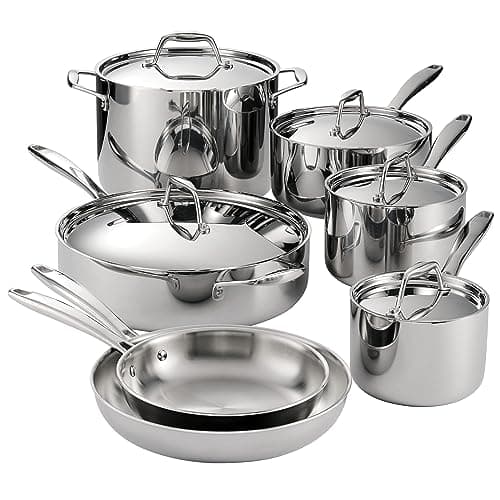
Top pick: Tramontina Signature Tri-Ply Clad 12-Piece Set
Top pick: Tramontina Signature Tri-Ply Clad 12-Piece Set
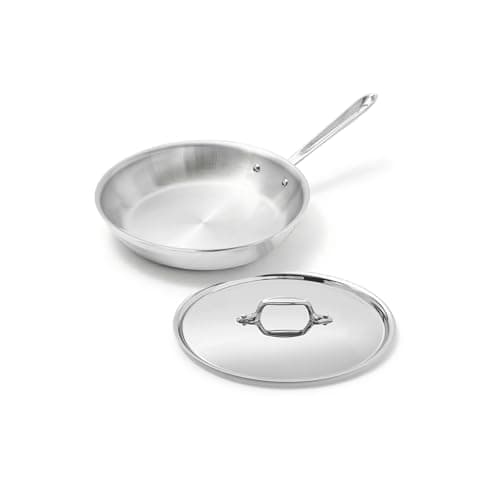
Top pick: All-Clad D3 Stainless 10 in Fry Pan
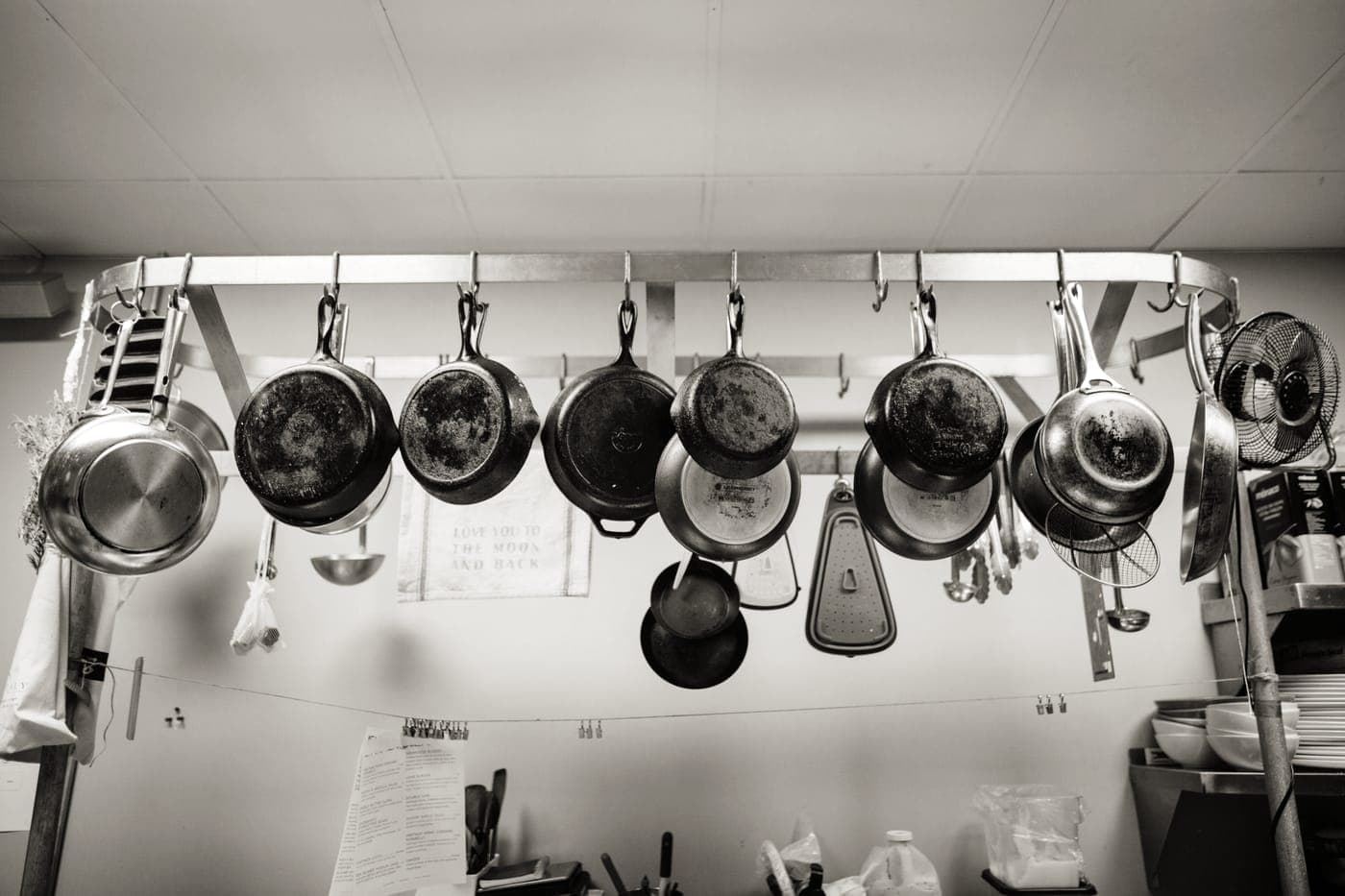


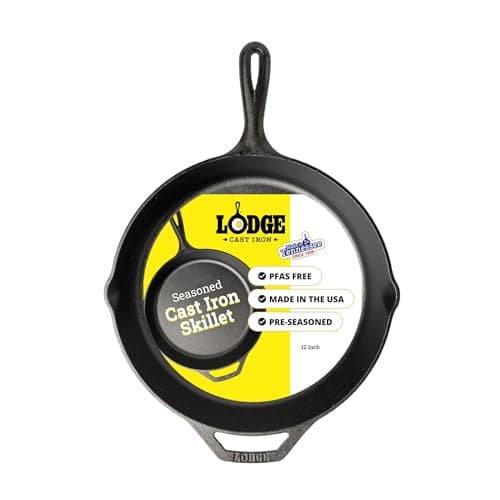
Top pick: Lodge Seasoned Cast Iron Skillet, 12 in (L10SK3)
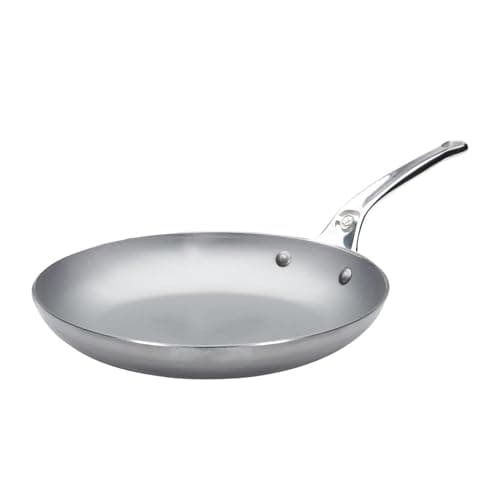
Top pick: de Buyer MINERAL B PRO Carbon Steel Fry Pan, 11 in
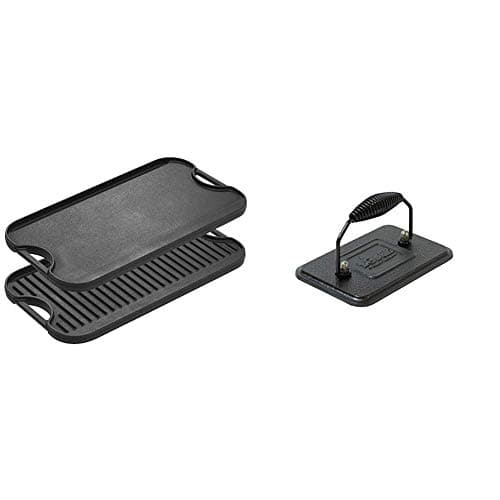
Top pick: Lodge Cast Iron Reversible Grill/Griddle, 20 x 10.44 in
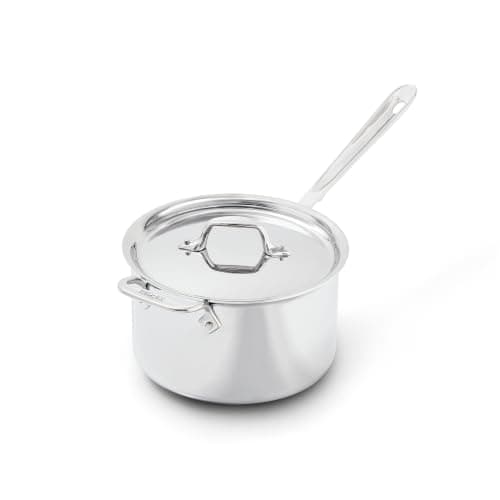
Top pick: All-Clad D3 Stainless Saucepan, 3 qt
Top pick: Tramontina Signature Tri-Ply Clad 12-Piece Set
Top pick: All-Clad D3 Stainless 10 in Fry Pan
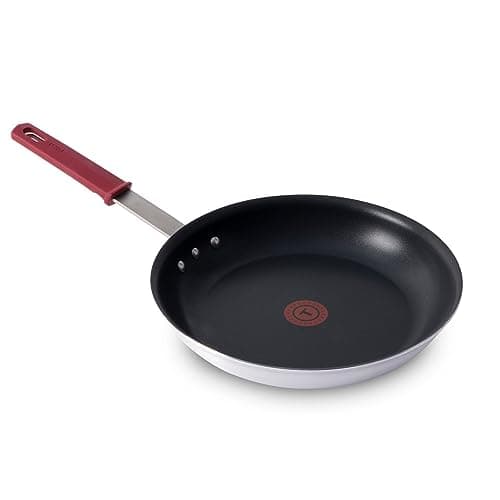
Top pick: T-fal Professional Total Nonstick Fry Pan, 12 in



Top pick: All-Clad D3 Stainless 10 in Fry Pan
Top pick: Tramontina Signature Tri-Ply Clad 12-Piece Set
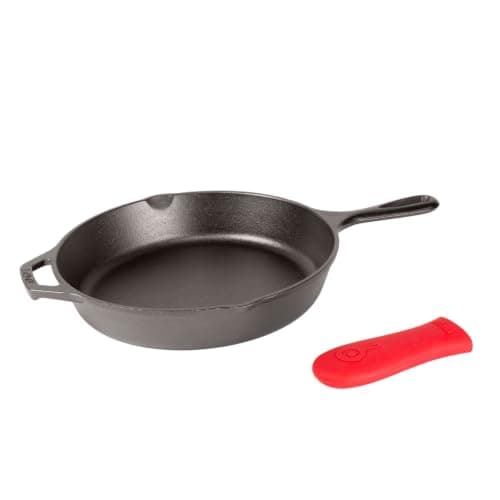
Top pick: Lodge Seasoned Cast Iron Skillet, 10.25 in (L8SK3)


The shape of the decision, before any brand names
A kitchen needs three heat behaviors, and every buying decision is really a question of how you cover them. You need something that gets very hot and stays hot, for searing and browning. You need something even and controllable, for sauces and anything that can catch. And you need something slippery, for eggs and delicate fish, because no amount of skill makes a bare steel pan the right tool for an omelette on a Tuesday morning.
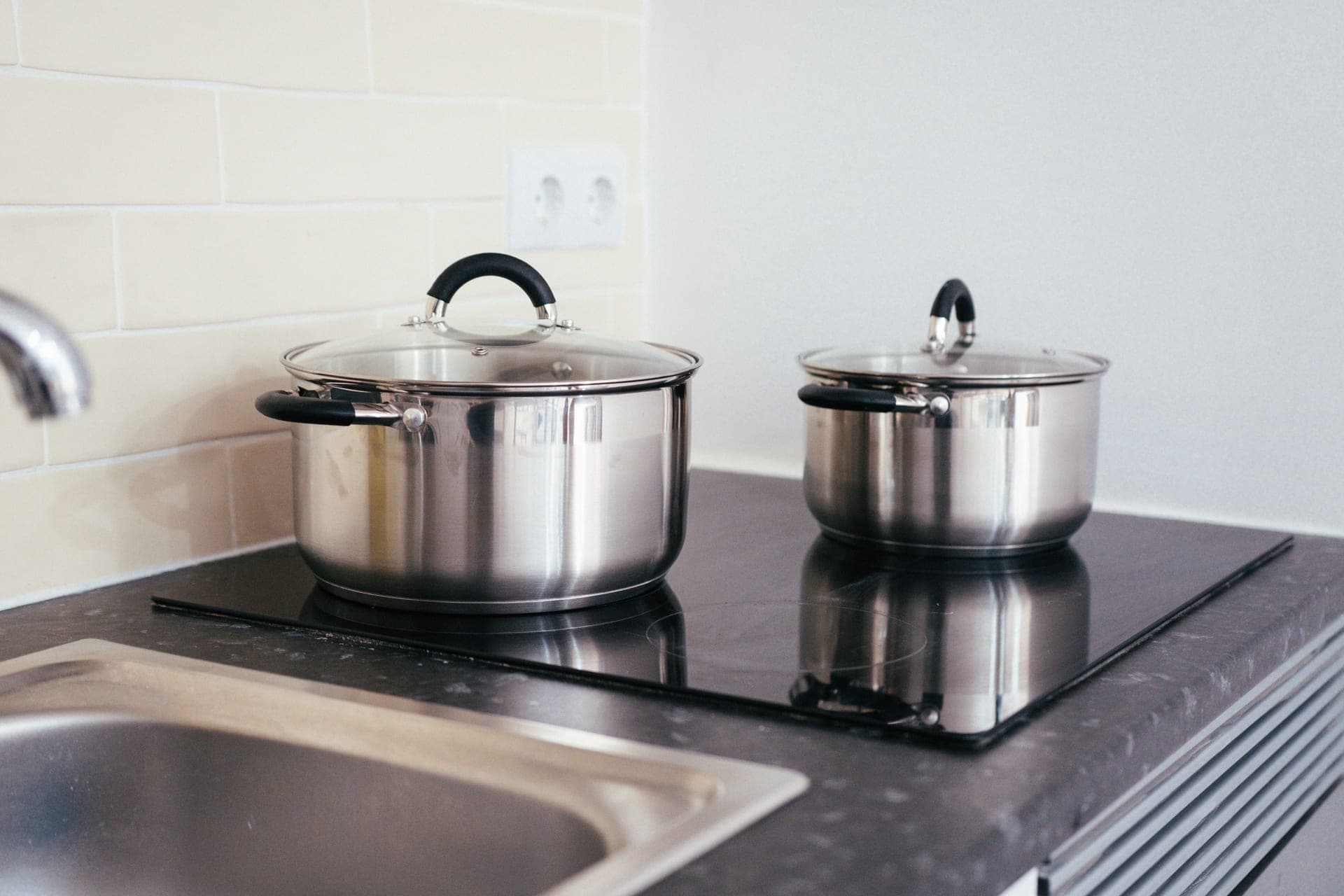
Materials map onto those three jobs almost cleanly. Cast iron and carbon steel hold heat: cast iron conducts at roughly 50 W/m-K and carries a lot of mass, so it recovers fast when cold food hits it. Clad stainless conducts poorly on its own — type 304 is around 15 to 16 W/m-K, roughly fifteen times worse than aluminum — which is exactly why every good stainless pan is a sandwich with an aluminum core doing the actual heat spreading. Coated pans do the slippery job and nothing else well, and every coating is a wear item whether the maker says so or not.
Once you can see that, the shopping list gets short. One heat-holding pan, one or two clad pans, one coated pan, a stockpot, and something to roast in. That is the whole kitchen for most people, and it is the list what cookware you actually need works through in detail.
Buy a set, or buy pieces?
This is the first real fork and most people get pushed down the wrong branch by the way sets are priced. A twelve-piece set is rarely twelve useful things. It is usually seven vessels and five lids, and often two of those vessels are sizes you will never reach for. The number on the box is a marketing unit, not an inventory.
Sets still win for most first kitchens, because a coherent set of clad pans bought together costs far less than the same pans bought individually, and because matching lids that fit are worth more than people expect. But go in knowing the arithmetic. We work it through in what "12-piece" actually means and cookware set or open stock.
Your stove decides more than your budget does
Before you spend anything, find out what your stove will actually heat. If you have induction, roughly a third of the cookware on the market simply will not work, including most bare aluminum and a fair amount of cheaper "stainless" whose exterior layer is non-magnetic. The test costs nothing: hold a fridge magnet to the base. If it grabs firmly, the pan works on induction. If it slides off, it does not.
Gas is the most forgiving and the least even, and it punishes thin pans and rewards mass. Glass-top electric is the fussiest about flatness, and a warped pan on a glass top is both slower and a scratch risk. We cover this in the best cookware for induction cooktops and the best cookware for gas stoves.
What the money actually buys
Above a fairly low floor, extra spending on cookware buys three specific things, and it is worth knowing which of them you care about. It buys construction — full cladding up the sidewalls instead of a disc welded to the base, thicker gauge, better rivets. It buys documentation and warranty terms that a company will actually honor. And it buys manufacturing location and the quality control that tends to come with it.
What it does not reliably buy is performance you can feel. A Tramontina tri-ply pan and an All-Clad D3 pan are the same idea executed at different price points, and the honest difference on a weeknight is smaller than the price gap suggests. Where All-Clad clearly wins is the published detail: a 600F oven ceiling, bonding and assembly in a named Pennsylvania town, and a warranty that says what it covers. That is worth something. Whether it is worth the multiple is your call, and what it costs to outfit a kitchen lays out both totals.
How to use this section
- Start with what you actually need for the list.
- Read materials compared to understand the reasoning behind it.
- Check stove compatibility before you buy anything.
- Then go to the material hubs — stainless, cast iron, carbon steel, nonstick and ceramic — for specific products.
- Once something is in your kitchen, four pages cover the questions that come next: what your heat settings actually mean, whether aluminum cookware is safe, induction problems and fixes and the non-toxic frying pan question, which is the single-pan version of the one everybody asks.
- And when a recipe asks for a pan you have not bought yet, cookware substitutions covers which of your pans will stand in, what changes, and the five jobs with no substitute.
- Buying for someone else is its own problem, because cookware carries specifications a gift cannot guess at — the cookware gifts that land, what not to gift a cook and the gifts with no stove attached. For the holiday meal itself, cooking a whole dinner with one oven is the sequencing problem, and inherited cookware sorts a box of old pans by what is worth restoring.
Common questions
›What is the minimum cookware a new kitchen needs?
Five things cover almost everything most people cook: a 10-inch skillet, a 3-quart saucepan with a lid, a 6 to 8-quart stockpot, one coated pan for eggs, and a half sheet pan. Everything else is a preference or a specific cuisine.
›Should I buy a cookware set or individual pans?
For a first kitchen, a set is usually the better value because clad pans bought together cost far less than the same pans bought individually. Buy the coated egg pan separately, because it is a wear item and does not belong in a set you expect to keep.
›How do I know if a pan will work on my induction cooktop?
Hold a fridge magnet against the base. If it grips firmly, the pan is ferrous enough for induction. If it slides off or holds only weakly, it will not work reliably regardless of what the box says.
›Is expensive cookware actually better?
Above a low floor it buys construction quality, published specifications and warranty terms rather than performance you can feel. A budget tri-ply pan and a premium tri-ply pan cook similarly; the premium pan tends to document itself better and last longer at the rivets.
Sources
Every figure on this page came from one of these. Follow them and check our arithmetic — that is the point.