Kitchen tools, judged the same way as the pans
The things you reach for before the pan gets hot. Same method as the rest of the site: published specs, stated gaps, and who should skip each one.

Start here
This site is about cookware, and this hub is about everything you touch immediately before and after it. Knives and the boards they cut on, shears, tongs and turners, bowls, measures, scales and thermometers, the mitt you pick a hot pan up with — the tools that decide whether cooking feels easy, and that get bought on impulse far more often than pans do.
The method does not change. We have not tested any of it. What we do is read what the manufacturer publishes — blade length, handle material, capacity, dishwasher guidance, country of manufacture, warranty terms — record it, and say plainly where a company publishes nothing. The method is here.
In this section
Every page below carries its own reasoning and its own sources. Roundup tiles show the current top pick and a live price where one exists.
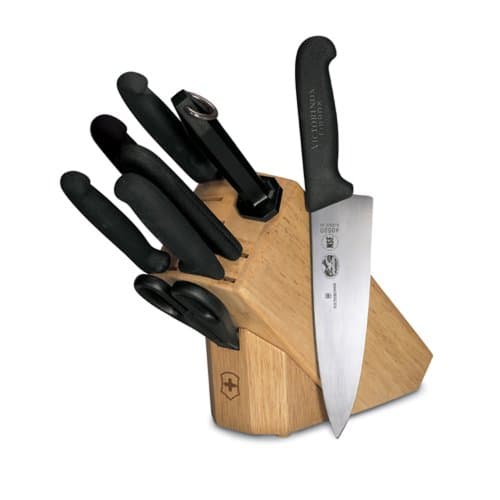
Top pick: Victorinox Fibrox 8-Piece Block Set
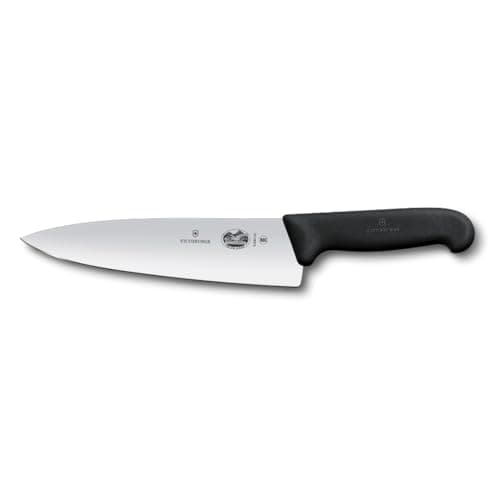
Top pick: Victorinox Fibrox Chef's Knife Extra Wide, 8 in
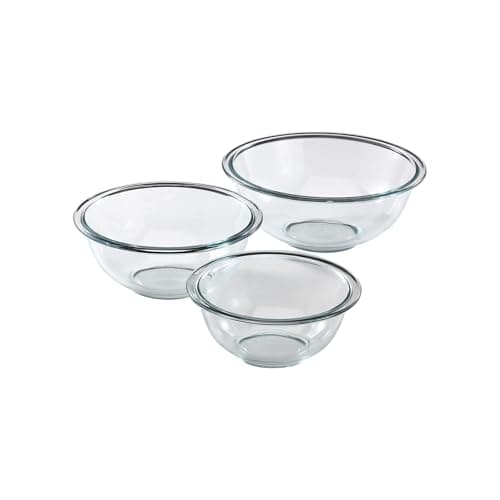
Top pick: Pyrex 3-Piece Glass Mixing Bowl Set
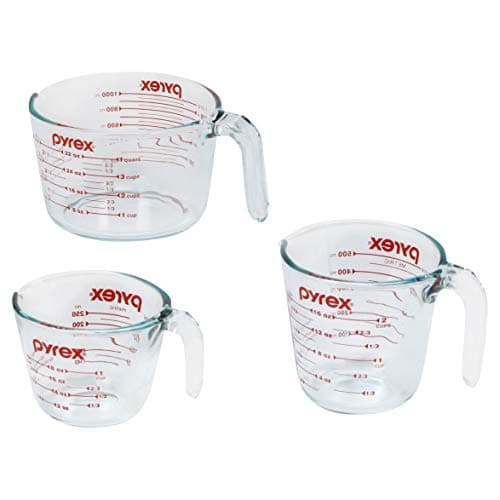
Top pick: Pyrex 3-Piece Glass Measuring Cup Set
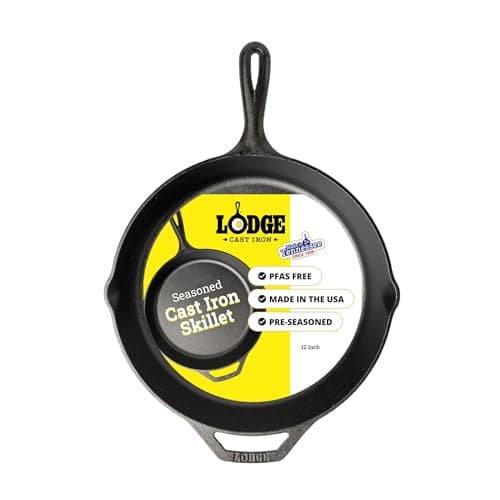
Top pick: Lodge Seasoned Cast Iron Skillet, 12 in (L10SK3)
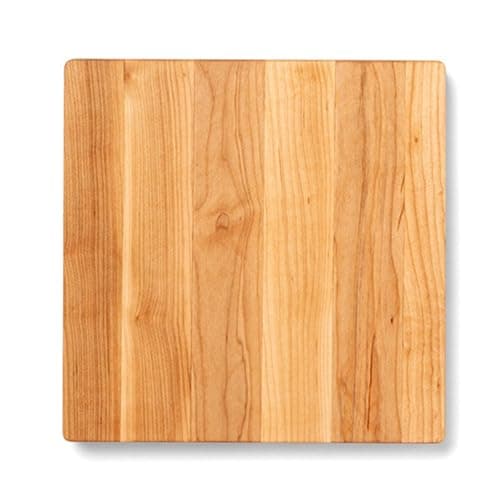
Top pick: John Boos Chop-N-Slice Reversible Maple Board, 16 x 10 in
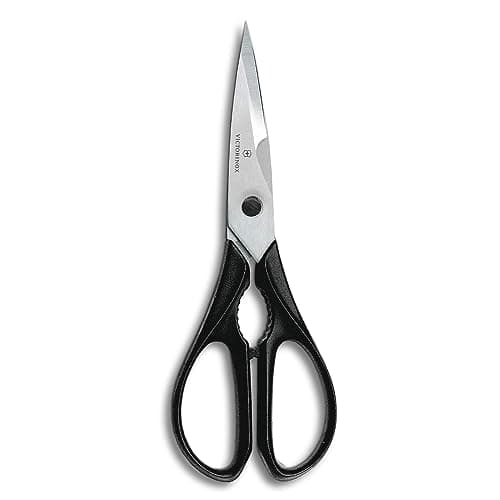
Top pick: Victorinox Multipurpose Kitchen Shears 7.6363.3
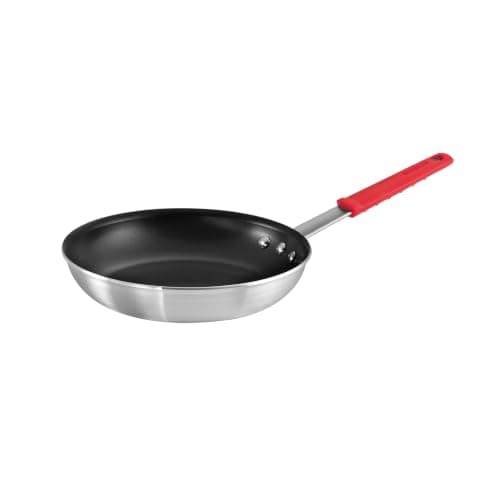
Top pick: Tramontina Professional Restaurant Fry Pan, 10 in
Top pick: Pyrex 3-Piece Glass Mixing Bowl Set
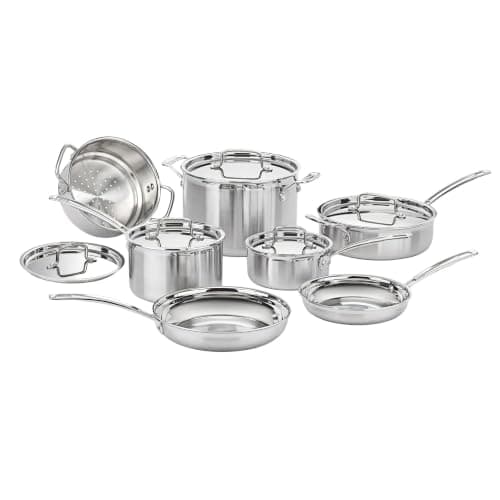
Top pick: Cuisinart MultiClad Pro MCP-12N 12-Piece Set
Top pick: Lodge Seasoned Cast Iron Skillet, 12 in (L10SK3)
Top pick: Pyrex 3-Piece Glass Measuring Cup Set
Top pick: Victorinox Fibrox Chef's Knife Extra Wide, 8 in
Why these sit apart from the cookware
A pan is judged on material physics: how well it conducts, how much heat it stores, what the coating is and how long it lasts. Almost none of that transfers to a knife or a bowl. A chef's knife is judged on steel, geometry and how it sits in a hand; a mixing bowl is judged on material, capacity and whether it goes in the microwave.
Keeping them in a separate hub means the cookware pages stay about cookware, and it means these pages can be honest about a real limitation: the tool categories publish markedly less than the cookware categories do. A clad pan maker will tell you its ply count and its oven ceiling. A knife maker will frequently tell you the handle material and the country and then go quiet about the steel.
What a tools page checks
- Published material. Blade steel, bowl glass, handle polymer — and an explicit "not published" where the maker declines.
- Published dimensions and capacity, because these are the specifications tool buyers actually compare.
- Care guidance in the maker's own words, especially dishwasher claims, which vary far more here than in cookware.
- Warranty terms and what they exclude.
- Country of manufacture where it is stated, and a note where a brand states different origins on different pages.
- Who should skip it. Every page carries one.
The honest caveat about this hub
Our audited product ledger was built around cookware, and it is deep there and thin here. Where we have read a manufacturer's published specifications for a tool, that tool appears as a full product card with its specs and its sources. Where we have not, the page says so and points at a tagged category search rather than naming a model we cannot cite.
That is a weaker page than a cookware roundup, and pretending otherwise would be the alternative. It is the same treatment given to pie dishes and springform pans over in the bakeware hub.
There are no star ratings anywhere on this site and no aggregateRating in its structured data, here or in the cookware hubs. A score implies a test we did not run.
How much each tool category actually publishes
Reading these categories the same way we read cookware surfaces one pattern immediately: disclosure falls off sharply the further you get from a pan. It is worth seeing side by side, because it tells you which claims on a listing you can check and which you are taking on trust.
| Category | Usually published | Usually withheld |
|---|---|---|
| Knives | Blade length, weight, handle material, country, warranty | Blade steel grade, hardness (HRC), edge angle |
| Glass bowls and measures | Capacities, dimensions, dishwasher and microwave use, warranty | Freezer and oven guidance, thermal-shock limits, country |
| Oven mitts | A temperature number on the packaging | How that number was measured, and wet-steam behavior |
| Cutting boards | Dimensions, species, grain type and finish | Glue type and dishwasher guidance |
| Shears | Blade and overall length, handle, dishwasher, warranty | Blade steel grade, and whether the blades separate |
| Cookware, for comparison | Construction, oven ceiling, induction, dishwasher, warranty, origin | Coating lifespan, and gauge on several categories |
The oven mitt row is the one worth dwelling on. A printed temperature rating with no stated test method is close to meaningless, and it says nothing about the failure that actually burns people, which is a damp mitt conducting heat — best oven mitts and pot holders covers that in detail.
Where to start
If you are furnishing a kitchen, the order that matters is one good knife, a board worth putting it on, one set of bowls, one set of measures — and then the pans, which is what the rest of this site is about. After those, a scale and an instant-read thermometer are the two instruments that change results rather than convenience, and a honing rod is what keeps the first purchase working. What cookware you actually need is the companion page on the pan side, and which utensils go with which pan covers the tools that touch a cooking surface, where the pan decides the answer.
Common questions
›Do you test the kitchen tools you write about?
No, and we say so on every page. We compile published specifications, read the care and warranty documents, and record what the maker declines to state. Every source is linked so you can check the reasoning yourself.
›Why do knife makers publish so little?
Blade steel and hardness are the two figures buyers most want and the two most often withheld. Victorinox, for example, publishes blade length, weight, handle material, country and warranty for its Fibrox chef's knife, and does not publish the steel grade or an HRC figure.
›Why is a tools hub on a cookware site?
Because the tools get bought at the same time as the pans and on far less information. Keeping them in their own hub lets the cookware pages stay about material physics, which does not transfer to a knife or a bowl.
Sources
Every figure on this page came from one of these. Follow them and check our arithmetic — that is the point.